One of the most common questions homeowners ask after discovering roof damage is whether they need a repair or a complete replacement. The answer is not always straightforward. While many roofing problems can be resolved with targeted repairs, others indicate that the roof has reached the end of its useful service life or has sustained damage that is too extensive to repair effectively.
Making the right decision begins with an honest assessment by an experienced roofing professional. At Salt Light Roofing, we believe homeowners deserve clear information—not sales pressure—so they can make the best decision for their home and budget.
When a Roof Repair May Be the Right Solution
Not every roofing issue requires a complete replacement.
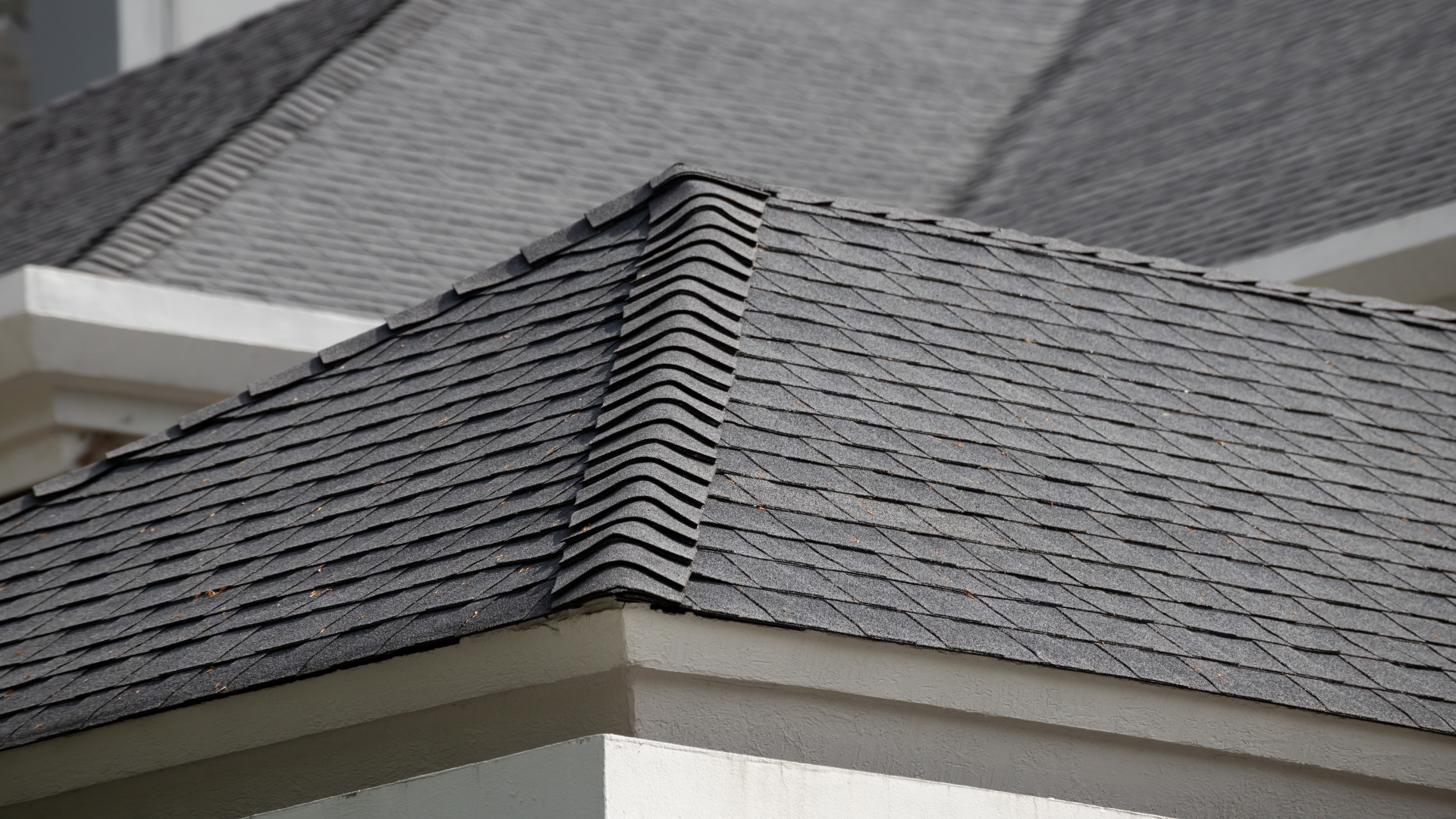
A localized leak, a few missing shingles after a windstorm, minor flashing damage, or isolated areas of wear may often be addressed with professional repairs. When the overall roofing system remains in good condition, repairing the damaged area can restore protection while extending the roof’s service life.
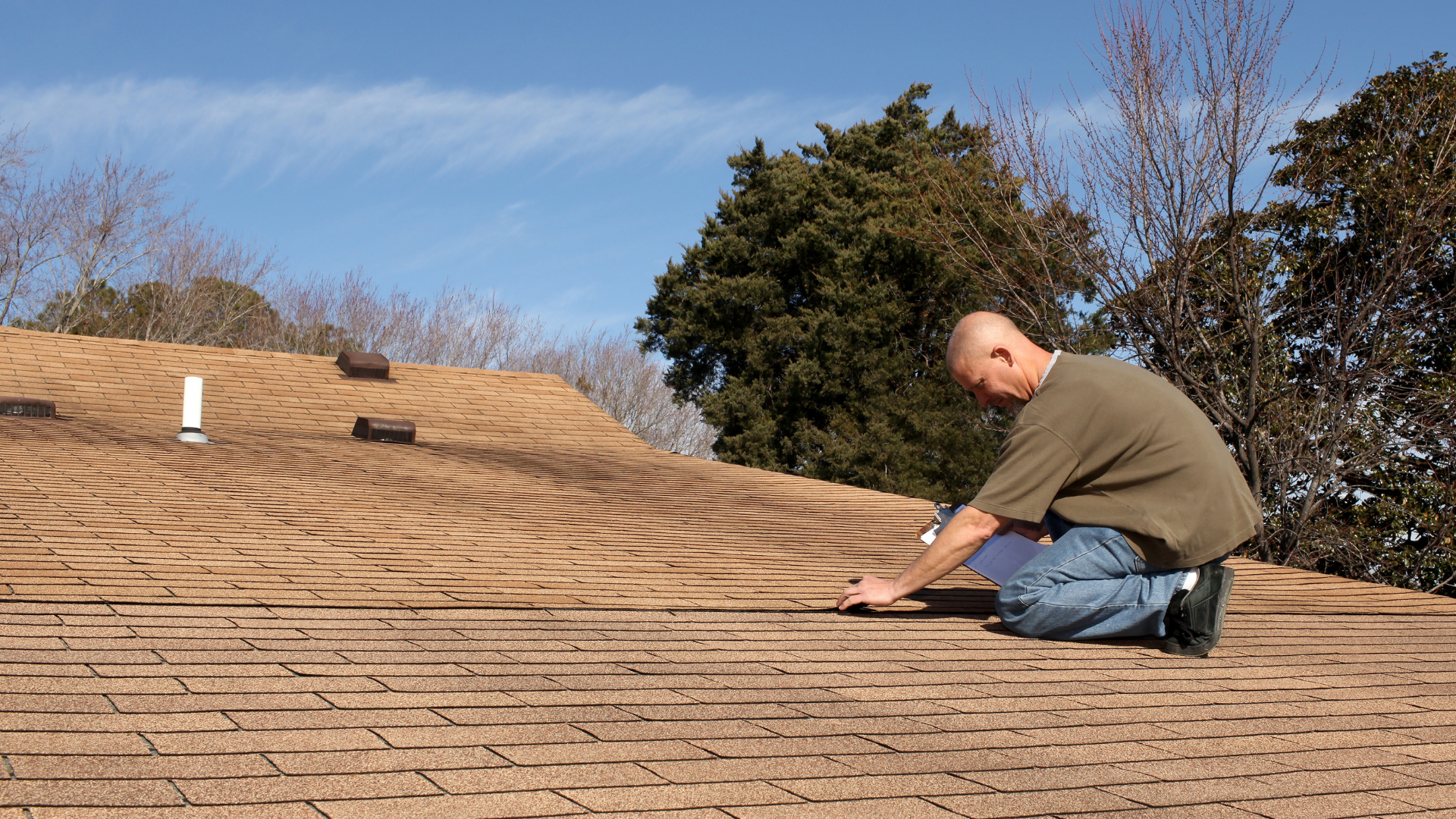
The key is identifying the underlying cause of the problem rather than simply treating the visible symptoms. A thorough inspection helps determine whether the damage is truly isolated or part of a larger issue.

Signs That Replacement May Be the Better Investment
In some situations, replacing the roof provides greater long-term value than making repeated repairs.
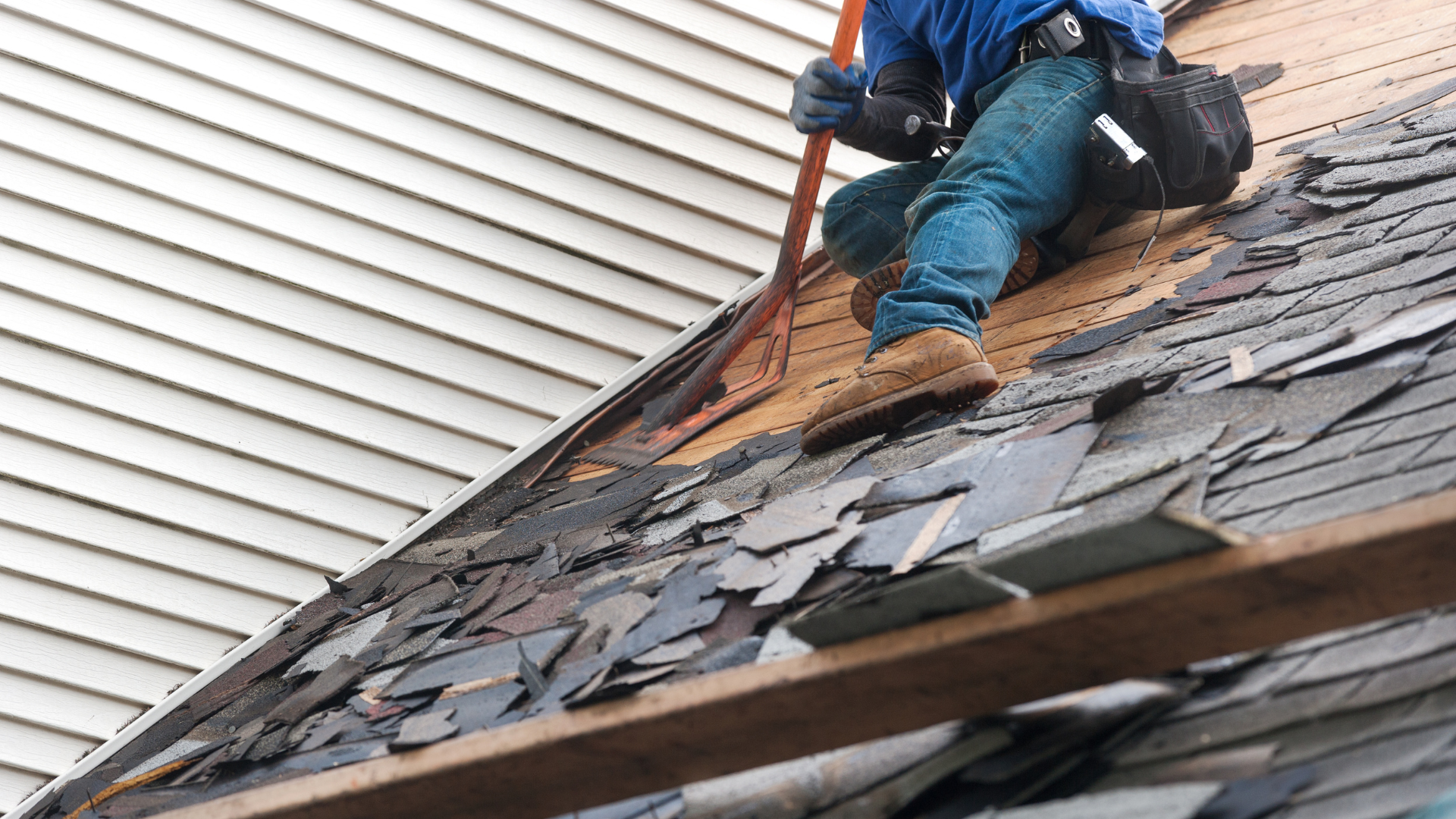
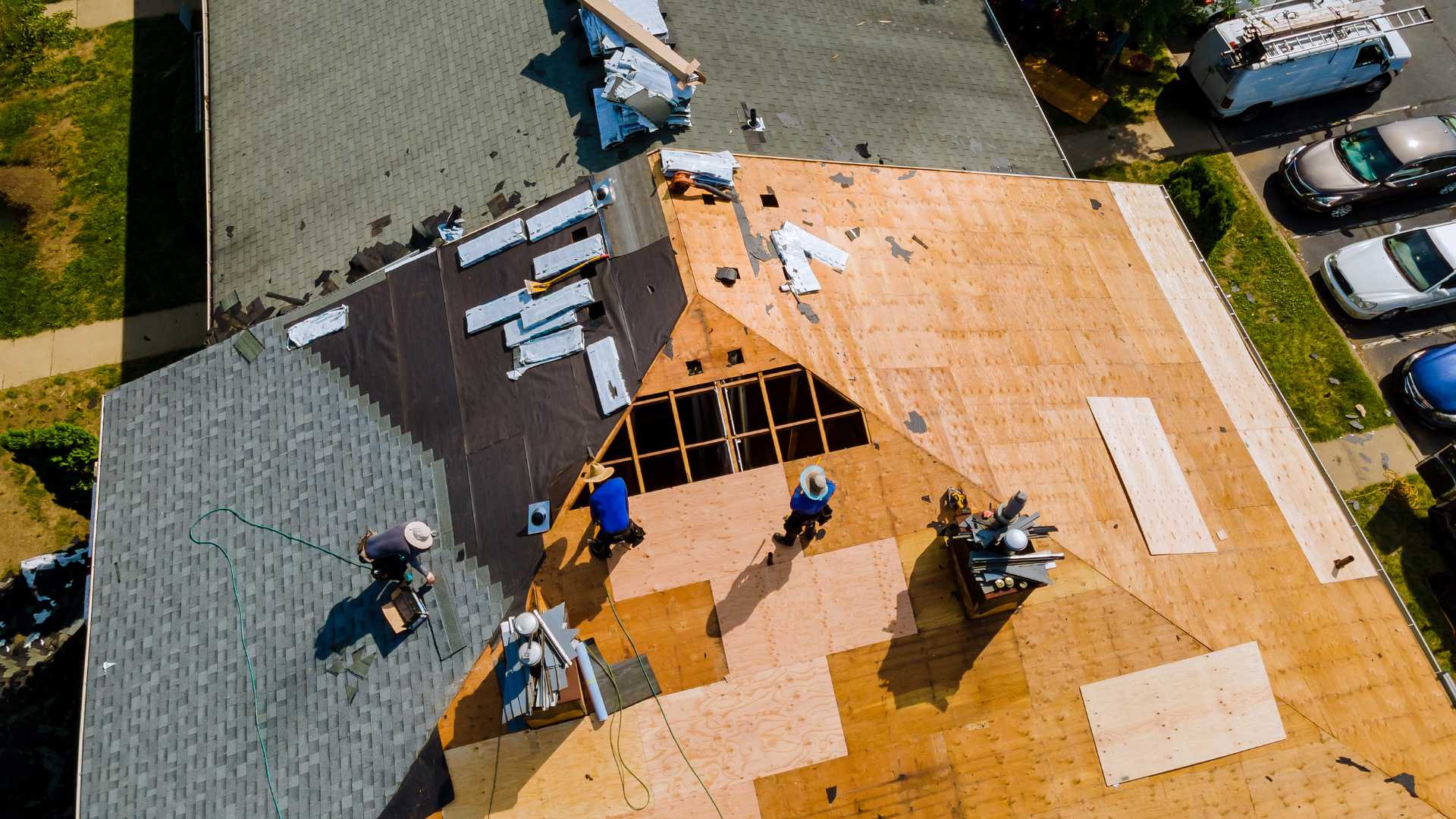
If the roof has widespread deterioration, recurring leaks, significant storm damage, or extensive aging, repairs may only offer temporary relief. Continuing to repair an aging roof can eventually cost more than investing in a new roofing system that provides dependable protection for years to come.
A roof replacement also allows the entire roofing system to be evaluated and installed according to current Florida building codes and manufacturer specifications.
Age Is Only One Factor
Many homeowners assume the age of the roof alone determines whether replacement is necessary.
While age is certainly important, it is only one part of the evaluation. Installation quality, maintenance history, weather exposure, ventilation, and previous repairs all influence a roof’s condition.
A newer roof that was improperly installed may require significant work, while an older roof that has been well maintained may still have useful life remaining. Every roof should be evaluated individually rather than relying solely on its age.

Florida’s Climate Demands Careful Evaluation
Living in Florida places unique demands on roofing systems.
High temperatures, intense sunlight, heavy rainfall, strong winds, and hurricane-season storms all contribute to gradual wear. Even when damage is not immediately visible from the ground, wind can loosen shingles, moisture can penetrate vulnerable areas, and repeated weather exposure can weaken roofing materials over time.
Following severe weather, scheduling a professional inspection helps identify damage before it develops into more expensive problems.
Honest Assessments Build Trust
Choosing between repair and replacement should never feel like a sales presentation.
At Salt Light Roofing, Nathan Caraway personally performs inspections and oversees every project as the owner and licensed roofing contractor. That means homeowners work directly with the individual responsible for evaluating the roof and recommending the appropriate solution.
Our concierge approach is built on truth, accountability, value, and peace of mind. If a repair is the most practical solution, we will explain why. If replacement provides better long-term protection, we will clearly discuss the reasons, answer your questions, and provide a transparent, itemized estimate with no hidden fees or unnecessary upselling.

Make the Decision With Confidence
Every roof eventually requires attention, but not every roof requires replacement. The best decision comes from understanding the overall condition of the roofing system, the extent of the damage, and the long-term goals for your home.
At Salt Light Roofing, we help homeowners throughout the Tampa Bay area make informed roofing decisions through honest inspections, direct communication, and owner-supervised craftsmanship. As an Owens Corning Preferred Contractor, we combine premium roofing materials with meticulous installation practices and manufacturer-backed warranty options to deliver lasting value.
If you have noticed a leak, experienced storm damage, or simply are not sure whether your roof needs repair or replacement, contact Salt Light Roofing today. Nathan Caraway will personally inspect your roof, explain your options, and help you choose the solution that best protects your home—without pressure, middlemen, or guesswork.