Questions to Ask Before Hiring a Roofing Contractor

August 12, 2026

Hiring a roofing contractor is a major decision because the quality of the work can affect your home for years. A roof replacement involves materials, installation practices, ventilation, flashing, cleanup, warranties, and project supervision. The estimate matters, but it should not be the only factor homeowners consider.


Salt Light Roofing serves homeowners throughout the Tampa Bay area with an owner-operated, direct-to-consumer approach designed around clear communication and direct accountability. Before choosing any roofing company, asking the right questions can help you understand exactly what you are paying for and who will be responsible for the work.


Are You Licensed and Insured?

This should be one of the first questions.


A professional roofing contractor should be able to explain the licensing and insurance coverage applicable to the project. Homeowners should verify credentials rather than relying only on advertisements, yard signs, or sales materials.


Insurance is equally important because roofing involves ladders, heavy materials, tools, and crews working at height. Knowing that the contractor carries appropriate coverage helps establish that the company is operating professionally.

Workers repairing a Victorian house roof and porch with ladders and tools

Who Will Actually Supervise the Project?

Some roofing companies rely heavily on sales representatives who are involved at the beginning of the process but may have little direct role once installation begins.


Ask who will be responsible for supervising your roof replacement and who you should contact if questions arise during the project.


Salt Light Roofing is owner-operated by Nathan Caraway, who brings more than 13 years of roofing experience to the business. The company’s model emphasizes owner-supervised installation and direct accountability from the initial quote through the final cleanup.


That structure gives homeowners a clear point of responsibility throughout the project.

Worker repairing shingles on a roof with a pry bar.

What Exactly Is Included in the Quote?

A roofing estimate should be detailed enough for you to understand the scope of work.


Ask what materials are included, whether old roofing will be removed, how damaged decking will be handled, what underlayment will be installed, whether flashing and ventilation are included, and how cleanup will be managed.


A written project plan can also make it easier to compare contractors accurately. Two estimates with very different prices may not include the same materials, labor, supervision, or warranty coverage.


Salt Light Roofing provides a written project plan and quote as part of its concierge roofing process so homeowners can see what is being proposed before installation begins.


Who Is Selling Me the Roof?

It is worth understanding how the contractor’s sales structure works.


Many roofing companies use commissioned salespeople or multiple layers of sales and management. Those expenses can become part of the company’s overhead.


Salt Light Roofing uses a direct-to-consumer model that eliminates traditional sales commissions and middlemen. The idea is simple: more of the homeowner’s investment can go toward the roof itself, including materials, craftsmanship, and direct project supervision.


This reflects the company’s philosophy of helping customers “pay for the roof over your head, not a roofing company’s overhead.”

Roofing worker using a nail gun to install shingles on a sloped roof

What Happens If You Find Hidden Damage?

Not every problem can be identified before the old roofing material is removed.


Damaged decking, deteriorated flashing, or other hidden conditions may become visible only after installation has started. Ask how the contractor handles these discoveries and how additional work will be communicated and priced.


A reputable contractor should have a clear process for documenting unexpected conditions and discussing them with the homeowner before moving forward whenever possible.


What Kind of Warranty Support Do You Provide?

Do not stop at asking whether the roof has a warranty.


Find out what the manufacturer’s warranty covers, what workmanship protection is available, and who you should contact if you have a concern after the job is finished.


Salt Light Roofing’s five-step concierge process continues beyond installation with a quality assurance walkthrough and warranty support. The goal is to maintain accountability after the last shingle has been installed.

Row of suburban houses with tan siding and dark shingled roofs under a gray sky

Do You Perform a Final Quality Walkthrough?

A roof replacement should not end simply because the crew leaves.


Ask whether the contractor performs a final inspection or walkthrough to verify the workmanship, review completed details, and address any remaining questions.


This final step also gives homeowners an opportunity to understand what was completed and what they should know about their new roofing system.


Choose Accountability, Not Just a Price

The right roofing contractor should be able to explain the project clearly, provide a detailed written scope, supervise the work responsibly, and stand behind the finished roof.


Salt Light Roofing provides free roof inspections and a five-step concierge roofing experience built around Truth, Accountability, Value, and Peace of Mind. From the initial inspection and written project plan to Nathan Caraway’s owner-supervised installation, quality assurance walkthrough, and warranty support, the company maintains one standard and direct accountability from quote to cleanup. Contact Salt Light Roofing to schedule a free roof inspection and learn more about your roofing options.
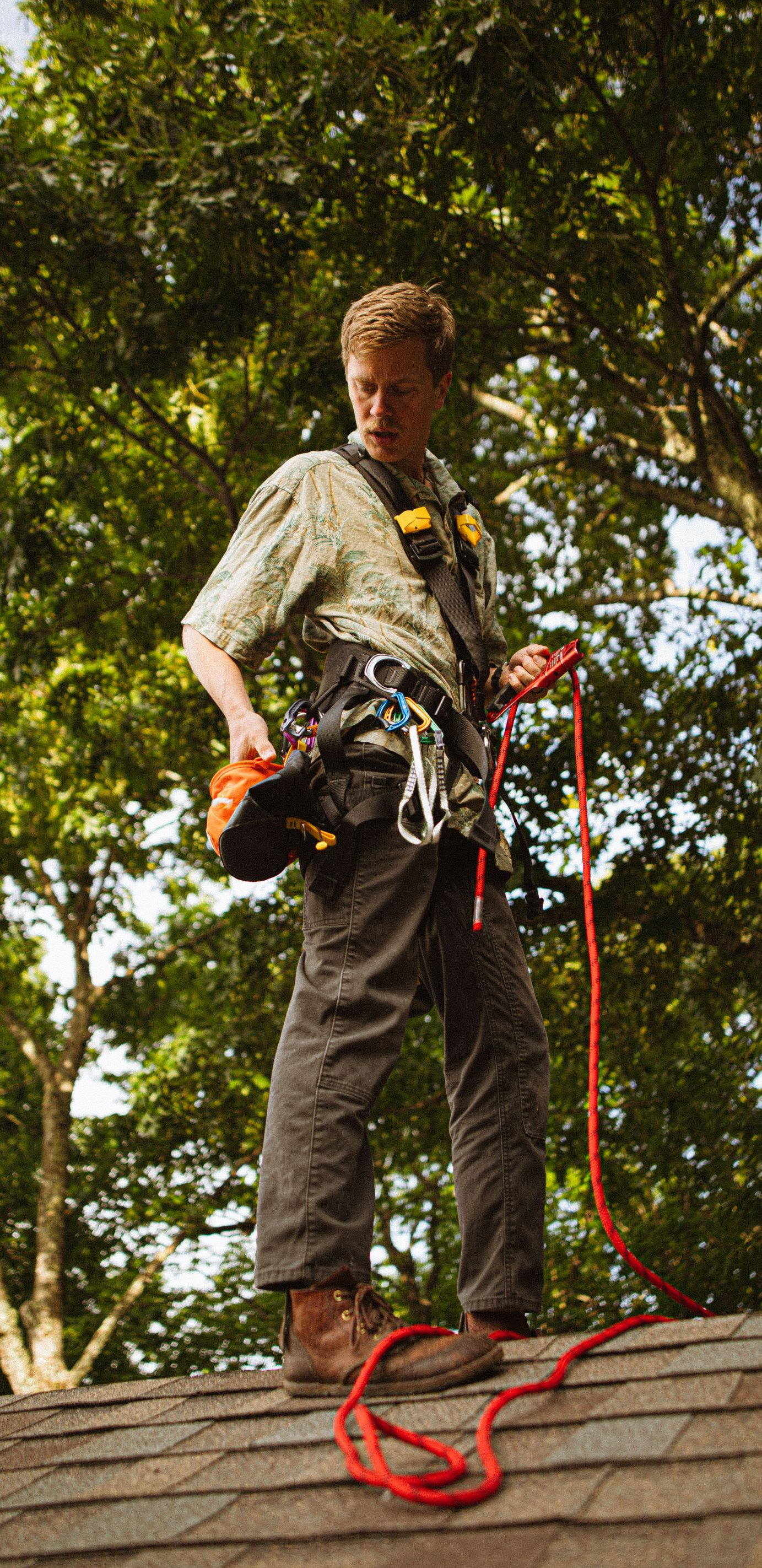
Tree worker wearing harness and rope stands on a shingled roof with a chainsaw beneath leafy branches
Worker in yellow hard hat and gloves crouches on a rooftop, handling cables near solar panels.
Gloved hand using a power drill on a wooden plank outdoors
Worker cutting metal with a power saw, wearing a dark vest and focusing on the task outdoors.
Person crouching on a rooftop, working near a blue tarp and safety rope.
September 12, 2026
A roof certification report is a professional evaluation of a roof’s condition that documents whether the roofing system appears serviceable at the time of inspection. In Florida, these reports may be requested during a home sale, insurance review, refinancing process, or other situation where a third party wants clearer information about the age and condition of the roof.  A certification is not the same thing as a warranty, and it does not guarantee that a roof will never leak. Its purpose is to provide a documented assessment based on the roof’s visible condition and the information available during the inspection.
September 2, 2026
Ta mpa Bay thunderstorms can bring heavy rain, powerful wind gusts, flying debris, and sudden chan Ta ges in weather conditions. Even when a roof looks intact from the ground, a strong storm can loosen roofing materials, damage flashing, or create openings that allow water to enter later. Homeowners in Pinellas, Pasco, Hillsborough, and Manatee counties should know what to look for once conditions are safe. A quick visual check can help identify signs that a professional roof inspection may be warranted. Look for Missing or Displaced Roofing Materials One of the most visible signs of storm damage is missing roofing material. High winds can lift, shift, crease, or remove shingles. On other roofing systems, panels, tiles, ridge components, or other materials may also become displaced. Even a small affected area deserves attention. Once part of the roof system has been compromised, wind-driven rain may have an easier path beneath the exterior surface.  Homeowners should perform this check from the ground whenever possible rather than climbing onto a wet or potentially damaged roof.
August 28, 2026
A roof is designed to shed water away from the home, but when moisture gets beneath the visible roofing material, the problem can become more serious than a simple surface leak. Water may reach the underlayment, roof decking, insulation, attic, or interior finishes before the homeowner realizes anything is wrong. In Tampa Bay, where heavy rain, wind-driven storms, and hurricane conditions are common, even a small weakness in the roofing system can allow water to travel beneath shingles or other roofing materials. How Water Gets Under a Roof Water intrusion can begin in several ways. Damaged or missing shingles, deteriorated flashing, failed sealants, exposed fasteners, improperly installed roof penetrations, or storm damage can all create openings. Wind-driven rain can also push water into areas that normally remain protected during lighter weather. Roof valleys, chimneys, vents, skylights, and wall-to-roof transitions are especially important because they rely on careful flashing and drainage details. A roof does not necessarily need to have a large visible hole for water to get underneath the surface.
August 21, 2026
A roofing system does more than keep rain from entering the house. It also has to move large amounts of water away from vulnerable areas quickly and efficiently. During a heavy Florida downpour , the roof and gutter system work together to control that water from the moment it hits the shingles until it is directed away from the home. When either part of that system is damaged, poorly installed, or overwhelmed, water can begin collecting where it should not. Salt Light Roofing helps Tampa Bay homeowners evaluate the entire roofing system, including drainage details that can affect long-term performance. The Roof Directs Water Toward the Gutters A sloped roof is designed to shed water. Shingles, underlayment, flashing, valleys, and other components help guide rain downward toward the roof edge. From there, gutters collect runoff and move it toward downspouts. During light rain, this process may seem simple. Florida thunderstorms can be very different. Heavy rainfall can send a large volume of water across the roof in a short period, making proper drainage especially important.  If water cannot leave the roof efficiently, small weaknesses can become much more noticeable.
August 7, 2026
A roof is one of the hardest-working components of any home. Every day, it protects the structure from sun, wind, rain, and changing weather conditions while helping maintain the comfort and efficiency of the living space below. Like any building system, however, a roof has a finite service life. As roofing materials age, they gradually become less capable of providing the protection they once did. For homeowners throughout Pinellas, Pasco, Hillsborough, and Manatee Counties, recognizing the warning signs of an aging roof can help prevent unexpected problems and allow replacement to be planned before significant damage occurs. Salt Light Roofing provides a Concierge Roofing Experience that helps homeowners understand the condition of their roof and make informed decisions based on honesty, transparency, and expert craftsmanship. Roofing Materials Naturally Age Over Time Even high-quality roofing systems are affected by years of exposure to Florida’s climate. Constant sunlight, ultraviolet radiation , heavy rainfall, high humidity, strong winds, and seasonal storms all contribute to the gradual aging of roofing materials. As shingles age , they may become less flexible and more susceptible to cracking or damage during severe weather. Sealants can deteriorate, flashing may begin to wear, and other roofing components can lose effectiveness after years of service.  While routine maintenance and inspections help maximize a roof’s lifespan, every roof eventually reaches a point where replacement becomes the most practical long-term solution.
July 31, 2026
Florida homeowners are no strangers to strong winds. From seasonal thunderstorms to tropical storms and hurricanes, roofs throughout the Tampa Bay area are routinely exposed to powerful weather conditions. While severe storms can leave behind obvious signs of damage, such as missing shingles or fallen tree limbs, many roofing problems are far less visible. In fact, some forms of wind damage may go unnoticed for months until they develop into more significant issues.  At Salt Light Roofing, we encourage homeowners to schedule a professional roof inspection after major wind events, even if everything appears normal from the ground. Identifying hidden damage early can help protect your home and prevent more extensive repairs later. Wind Can Weaken a Roof Without Removing Shingles Many people assume that if shingles remain in place after a storm, the roof must be undamaged. However, wind can affect roofing materials in ways that are difficult to detect without a close inspection. Strong gusts may loosen shingles, break the adhesive seal that holds them in place, or slightly lift their edges . While these shingles may settle back into position after the storm, they are often more vulnerable to future wind events and water intrusion. Because these changes are subtle, they can easily go unnoticed until additional weather causes the damage to worsen.
July 23, 2026
Why Early Preparation Matters Florida homeowners know that hurricane season brings more than strong winds and heavy rain. Even storms that do not make landfall nearby can expose a roof to prolonged rain, wind-driven debris, and changing weather conditions. Taking time to prepare before hurricane season begins can help identify existing roofing issues and provide an opportunity to address them before severe weather arrives.  Schedule a Professional Roof Inspection One of the best places to start is with a professional roof inspection . While it may be tempting to perform a quick visual check from the ground, many roofing concerns are difficult to identify without a closer evaluation. Missing or damaged shingles, deteriorated flashing, worn sealants, and other signs of aging can allow water to enter the home during periods of heavy rainfall. Identifying these issues early provides more time to make informed decisions before roofing contractors become especially busy during storm season.
July 15, 2026
Florida homeowners know that their roofs endure more than the occasional rainstorm. Throughout the year, roofing systems are exposed to intense sunshine, high temperatures, humidity, and frequent weather changes. While hurricanes often receive the most attention, the sun itself is one of the most constant forces working against your roof. Understanding how heat and ultraviolet ( UV ) radiation affect roofing materials can help homeowners make informed decisions about maintenance, repairs, and roof replacement. The Florida Sun Never Takes a Day Off Unlike many parts of the country, Florida experiences strong sunlight during every season. Day after day, roofing materials expand as temperatures rise and contract as they cool overnight. This continual cycle places stress on roofing components over time. While quality roofing systems are designed to withstand these conditions, years of exposure can gradually contribute to normal aging.  The combination of heat, UV radiation, humidity, and severe weather makes proper roof installation and high-quality materials especially important in Florida.
Roofing worker setting shingles with a hammer on a gray shingled roof
July 8, 2026
Learn how to decide between simple roof repairs and a complete replacement. Discover key signs of damage and cost-effective solutions for your home.
Suburban house with gray siding, beige garage, stone entry, and manicured lawn along a sidewalk
July 1, 2026
Learn how long different roofing materials last in Florida’s intense climate and discover the major factors that impact your roof's lifespan.