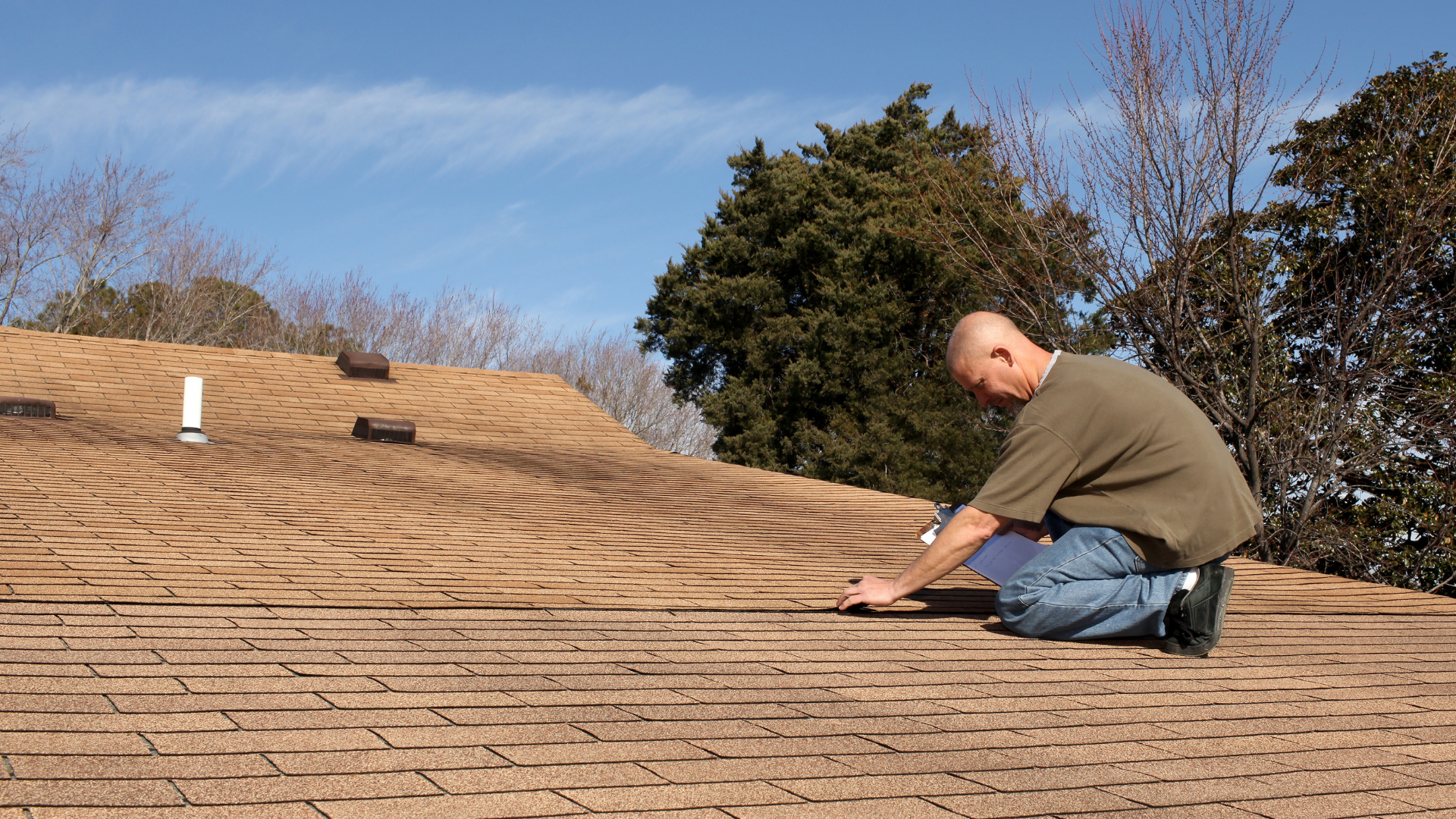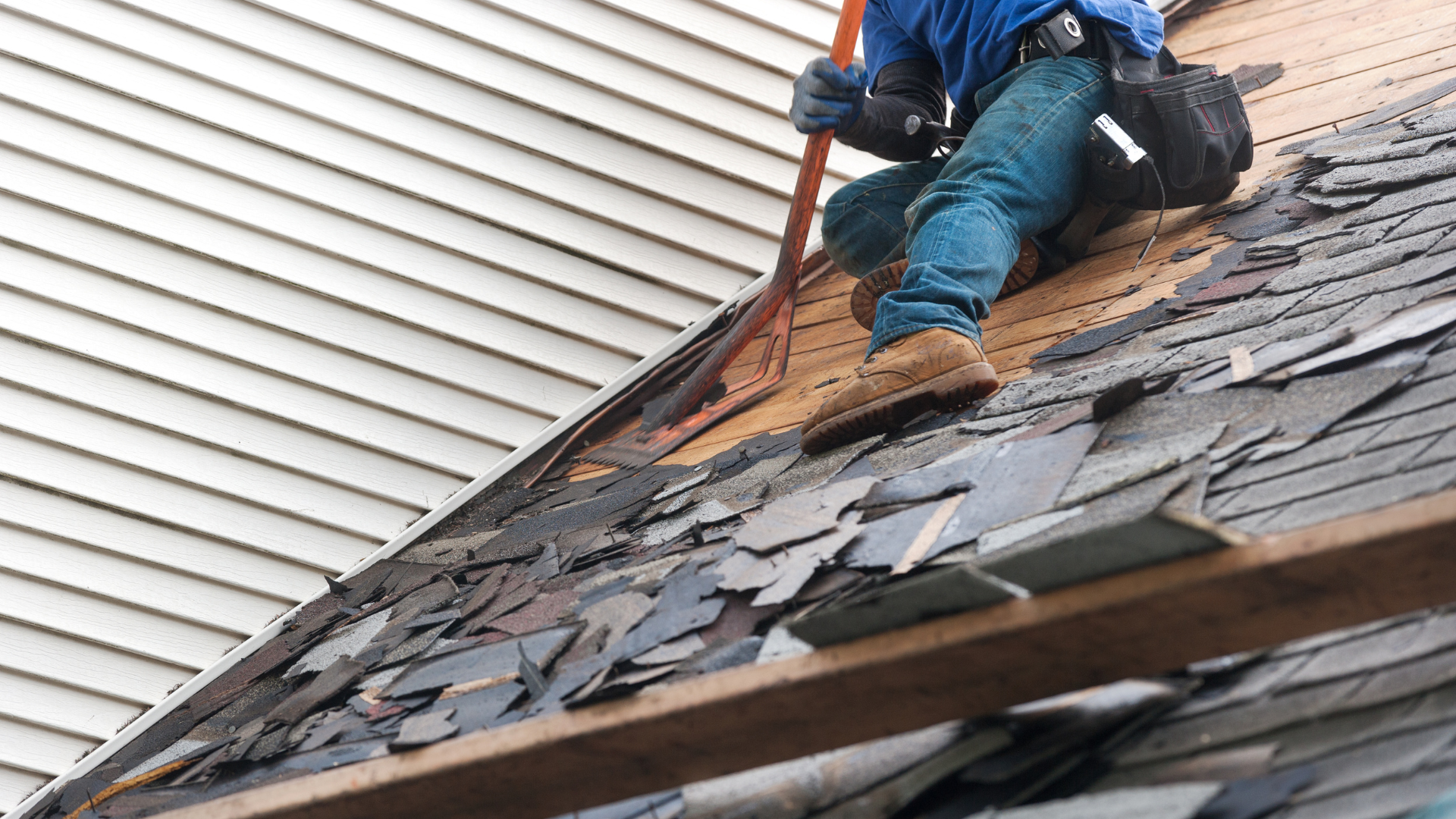
A roof certification report is a professional evaluation of a roof’s condition that documents whether the roofing system appears serviceable at the time of inspection. In Florida, these reports may be requested during a home sale, insurance review, refinancing process, or other situation where a third party wants clearer information about the age and condition of the roof.
A certification is not the same thing as a warranty, and it does not guarantee that a roof will never leak. Its purpose is to provide a documented assessment based on the roof’s visible condition and the information available during the inspection.

What Does a Roof Certification Typically Include?
A roof certification report generally includes basic information about the roofing system and its observed condition.
Depending on the property and the purpose of the report, an inspector may document:
- Approximate roof age
- Roofing material
- Visible wear or damage
- Flashing condition
- Roof penetrations
- Signs of leaking or moisture intrusion
- Overall serviceability
- Areas that may need repair or further evaluation
The exact format can vary, especially when an insurance company, lender, buyer, or other party has specific documentation requirements.

Why Roof Age Matters in Florida
Roof age can be an important issue for Florida homeowners because roofing systems are exposed to intense sun, heat, humidity, wind, heavy rain, and tropical weather.
Two roofs of the same age may be in very different condition depending on installation quality, materials, maintenance, storm exposure, and previous repairs.
That is why age alone does not tell the whole story.
A certification report can help provide a more complete picture by documenting the roof’s present condition rather than relying only on the installation date.
When Might a Roof Certification Be Needed?
One common situation is during the sale of a home. A buyer may want additional information about the roof before closing, particularly if the system is older or if a general home inspection raises questions.
Insurance companies may also request documentation about roof condition or remaining serviceability when reviewing coverage. A roof certification may also be useful when refinancing, evaluating an older property, or trying to understand whether replacement should be planned in the near future.
Because requirements vary, homeowners should confirm what type of documentation the requesting party actually needs before scheduling the inspection.
How Is It Different From a General Home Inspection?
A general home inspection looks at many parts of the property, including structural components, electrical systems, plumbing, HVAC, and the roof.
A roof certification is more focused.
The inspection concentrates specifically on the roofing system and documents findings related to its condition and expected serviceability.
That narrower focus can be useful when the roof itself is the main concern.
However, a certification still has limitations. Inspectors cannot always see hidden conditions beneath roofing materials, underlayment, or decking without invasive work.

What Can Prevent a Roof From Being Certified?
Visible damage or deterioration can affect whether a roof is considered serviceable.
Examples may include:
- Active leaks
- Missing or damaged shingles or tiles
- Deteriorated flashing
- Significant surface wear
- Soft or damaged decking
- Unresolved storm damage
- Poorly completed prior repairs
In some cases, relatively limited repairs may be enough to address the issue. In others, the roof may be too worn or deteriorated for certification, making replacement the more practical option.
The right answer depends on the condition of the entire system.
A Certification Can Help With Planning
Even when no third party requires a report, a roof evaluation can still be useful for homeowners with an aging system.
Understanding whether the roof appears to have meaningful service life remaining can help with budgeting and replacement planning.
That information can be especially valuable before hurricane season or before making other major investments in the property.
Rather than waiting for a leak or emergency, homeowners can use the evaluation to make a more deliberate decision about timing.
Get a Clearer Picture of Your Roof
A roof certification report can help buyers, sellers, homeowners, and insurers understand the current condition of a roofing system. It is a snapshot based on what can be observed at the time of inspection, not a lifetime guarantee.
Salt Light Roofing provides free roof inspections, roof certification reports, residential roof replacement, commercial roofing, and storm, wind, and hail assessments throughout Pinellas, Pasco, Hillsborough, and Manatee counties.
Owner Nathan Caraway follows a concierge roofing process built around Truth, Accountability, Value, and Peace of Mind, beginning with a careful inspection and a written project plan when work is needed.
If you need a roof certification or want to better understand the condition of an older roof, contact Salt Light Roofing for a professional evaluation and clear documentation of what the roof needs now and what may need to be planned for next.