Commercial and residential roofs both protect the buildings beneath them, but the way they are maintained can be very different.
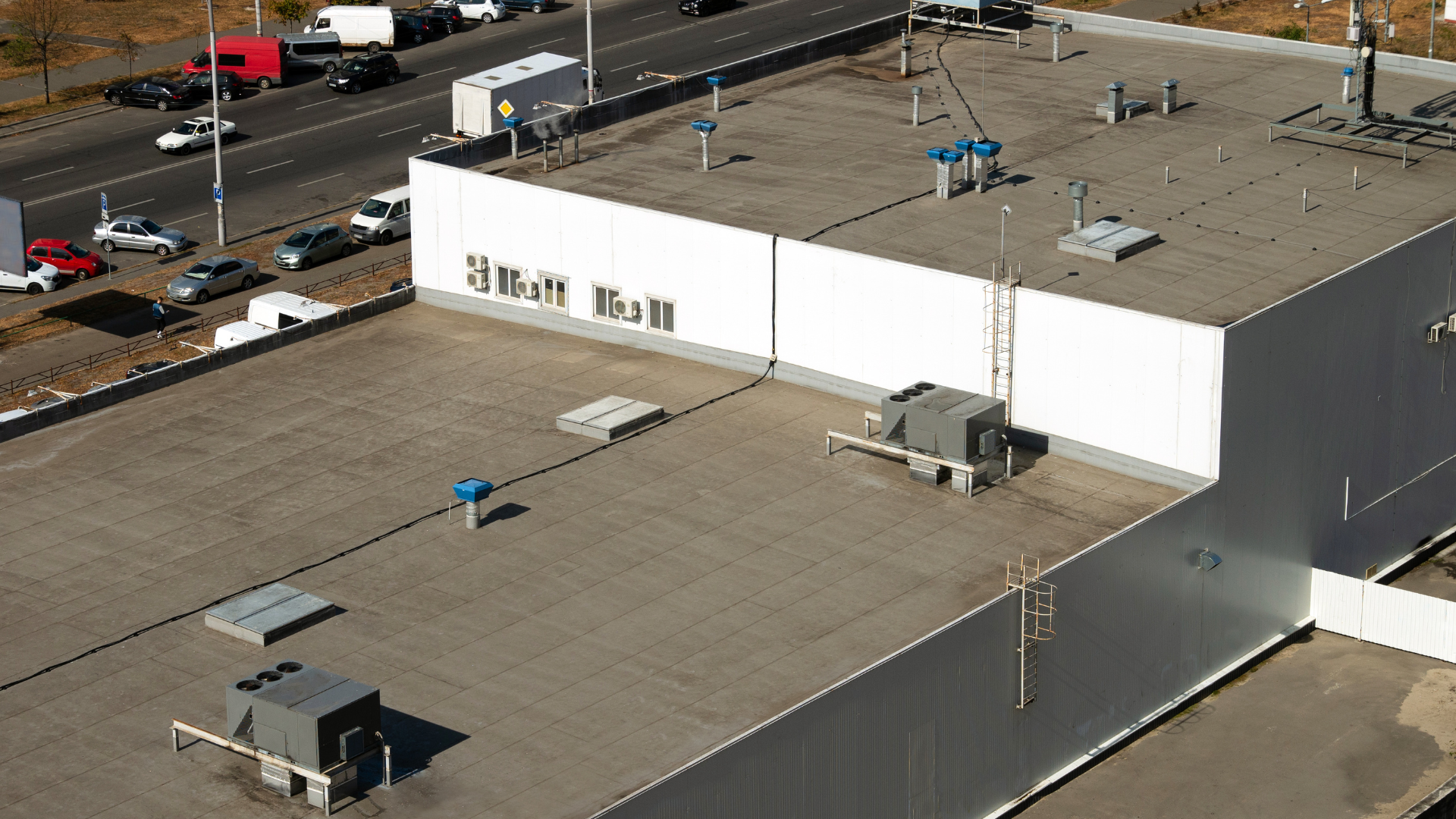
Commercial properties often have larger roof areas, lower slopes, more penetrations, more drainage components, and equipment mounted directly on the roof. That means maintenance has to account for conditions that are less common in a typical home.
For property owners and facility managers in the Tampa Bay area, understanding those differences can help make roof maintenance more organized and proactive.
Commercial Roofs Often Have More Penetrations
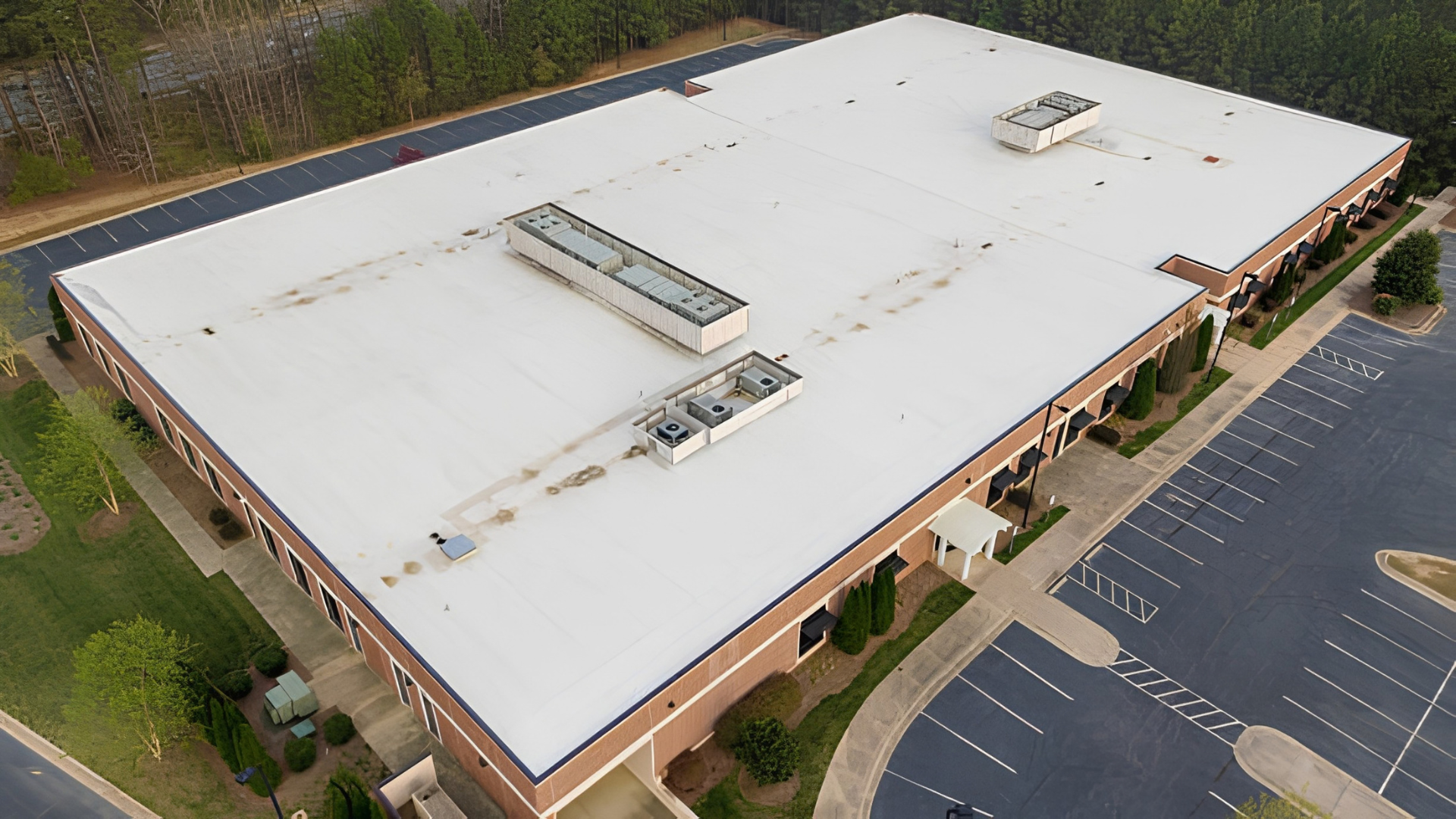
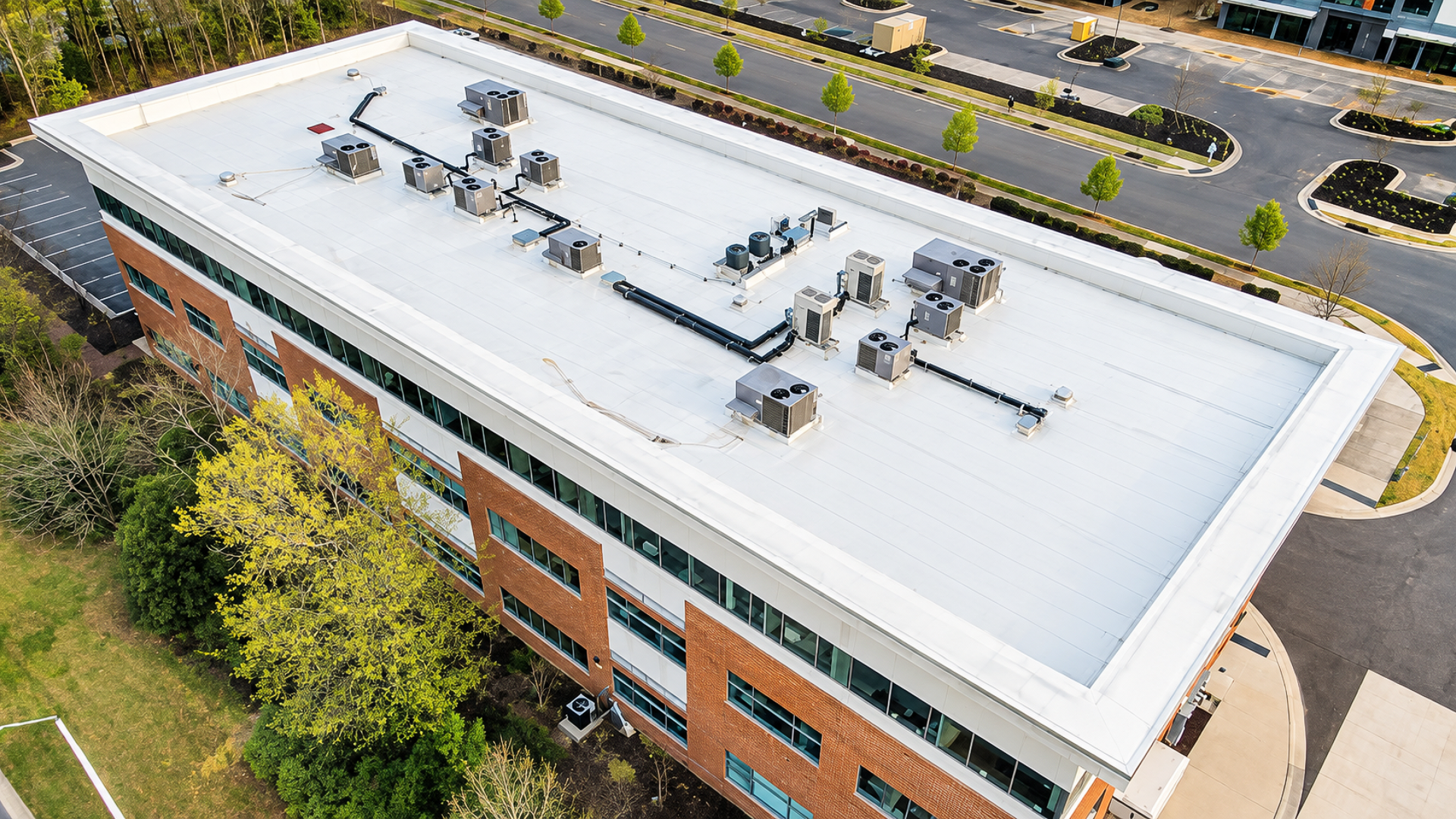
A commercial roof may contain HVAC equipment, exhaust vents, plumbing penetrations, electrical components, skylights, and other rooftop systems.
Each penetration creates an area where flashing, sealants, curbs, or other roofing details need to remain intact.
These locations can become vulnerable as materials age or as equipment is serviced.
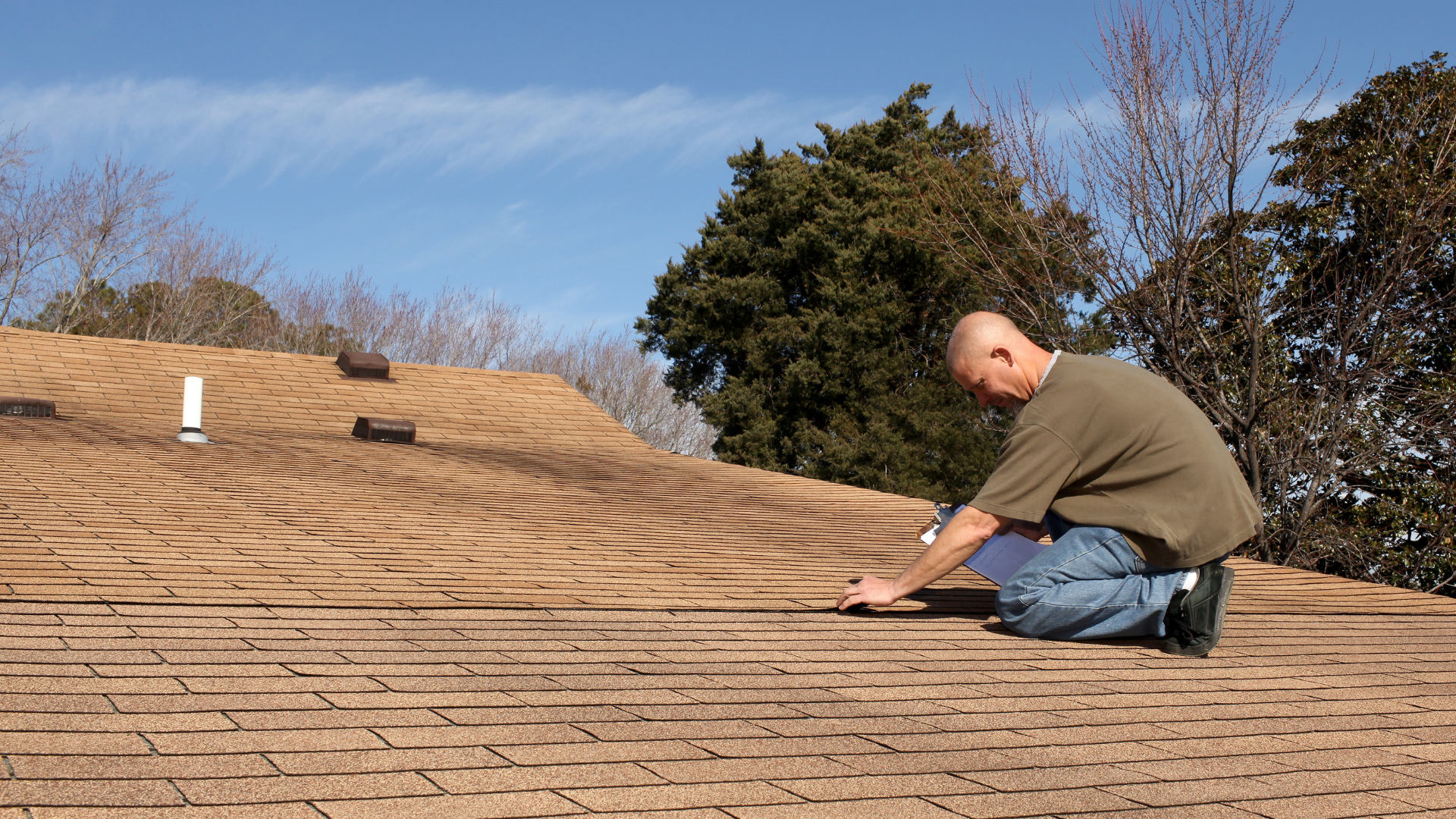
That is why commercial roof inspections should look closely at the areas around mechanical equipment and penetrations rather than focusing only on the open field of the roof.
Drainage Plays a Larger Role
Many commercial buildings use low-slope roofing systems.
Because water does not move off these roofs as quickly as it does from a steep residential roof, drains, scuppers, gutters, and other drainage components become especially important.
If debris blocks the drainage system, water may remain on the roof longer than intended.
Repeated ponding can place additional stress on roofing materials and may increase the likelihood of leaks or premature deterioration.
Routine maintenance should therefore include checking that drainage paths remain open and functional.
Rooftop Traffic Can Cause Wear
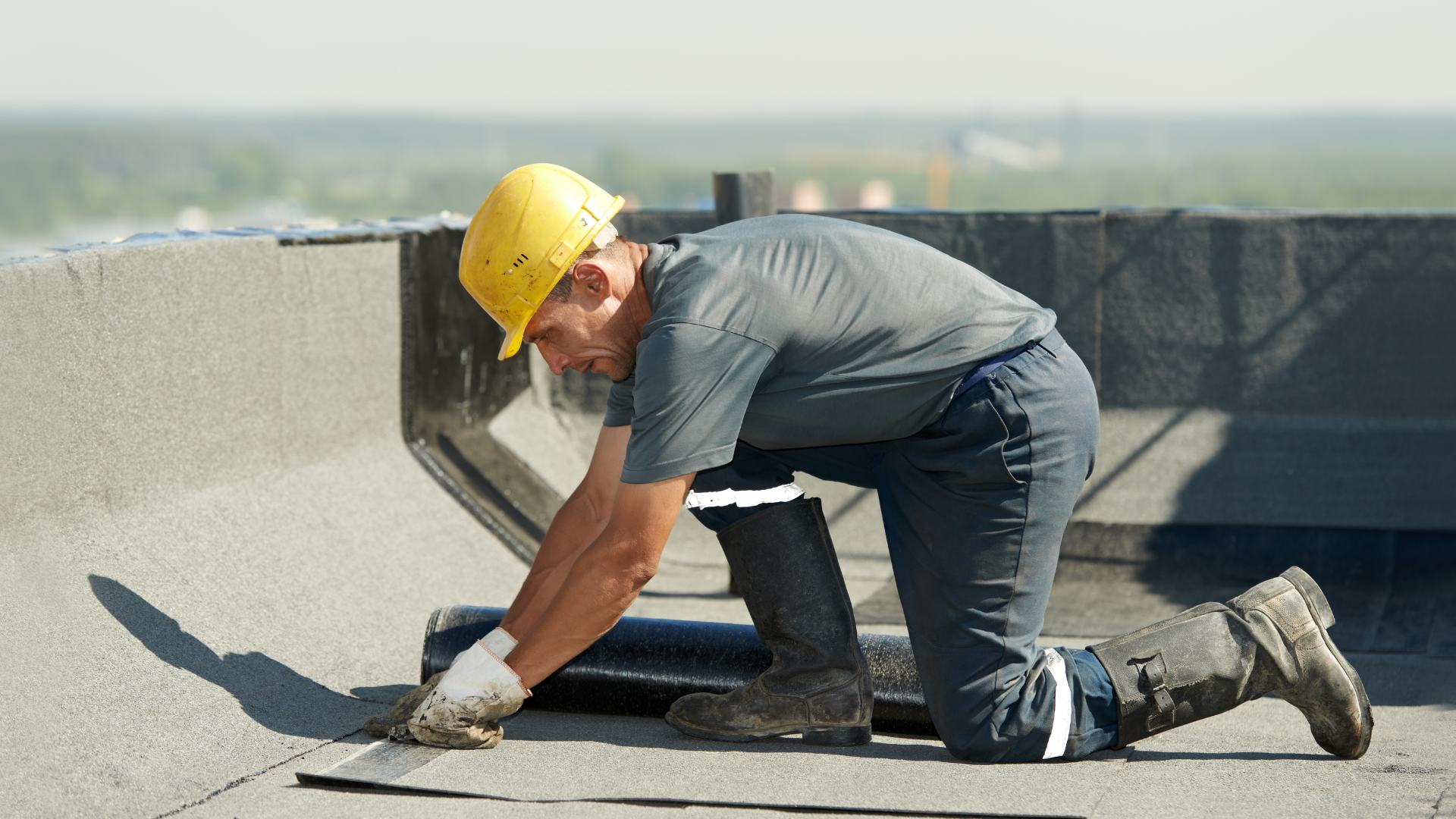
Commercial roofs may be accessed regularly by HVAC technicians, maintenance staff, electricians, and other contractors.
That foot traffic can create wear around service paths and rooftop equipment.
Damage may occur if tools are dropped, materials are dragged across the surface, or people repeatedly walk in areas that were not designed for regular traffic.
Protective walk pads and designated access routes can help, but they still need to be inspected.
Commercial roof maintenance should consider not only weather exposure but also how the roof is actually being used.
Documentation Matters More
Commercial property owners often need detailed records.
Inspection reports, photographs, repair histories, warranties, and maintenance documentation can all become important when planning budgets, coordinating with tenants, managing multiple properties, or discussing storm damage.
A residential homeowner may remember when a minor repair was completed.
A facility manager responsible for several buildings needs a more formal system.
Good documentation can help show how the roof has changed over time and make future decisions easier.
Storm Preparation Requires a Broader View
Tampa Bay commercial roofs face heavy rain, wind, tropical systems, and severe thunderstorms.
Before storm season, the roof should be evaluated for loose materials, drainage problems, aging sealants, damaged flashing, and areas that may already be showing signs of deterioration.
After a major storm, another inspection may help identify damage that is not obvious from inside the building.
This is especially important because water intrusion may begin in one location and travel before it becomes visible indoors.
Maintenance Has to Consider Business Operations
A commercial roof problem can affect more than the building itself.
Leaks may disrupt employees, customers, tenants, inventory, equipment, or production.
That means maintenance planning should consider operational impact.
Scheduling inspections and repairs before problems become urgent can make it easier to coordinate work around business hours and reduce disruption.
For larger properties, preventive planning may also help spread costs more predictably instead of waiting for emergency repairs.
Repair and Replacement Decisions Can Be More Complex
Commercial roofs often contain multiple systems, sections, additions, and repair histories.
One area may still be serviceable while another is approaching the end of its useful life.
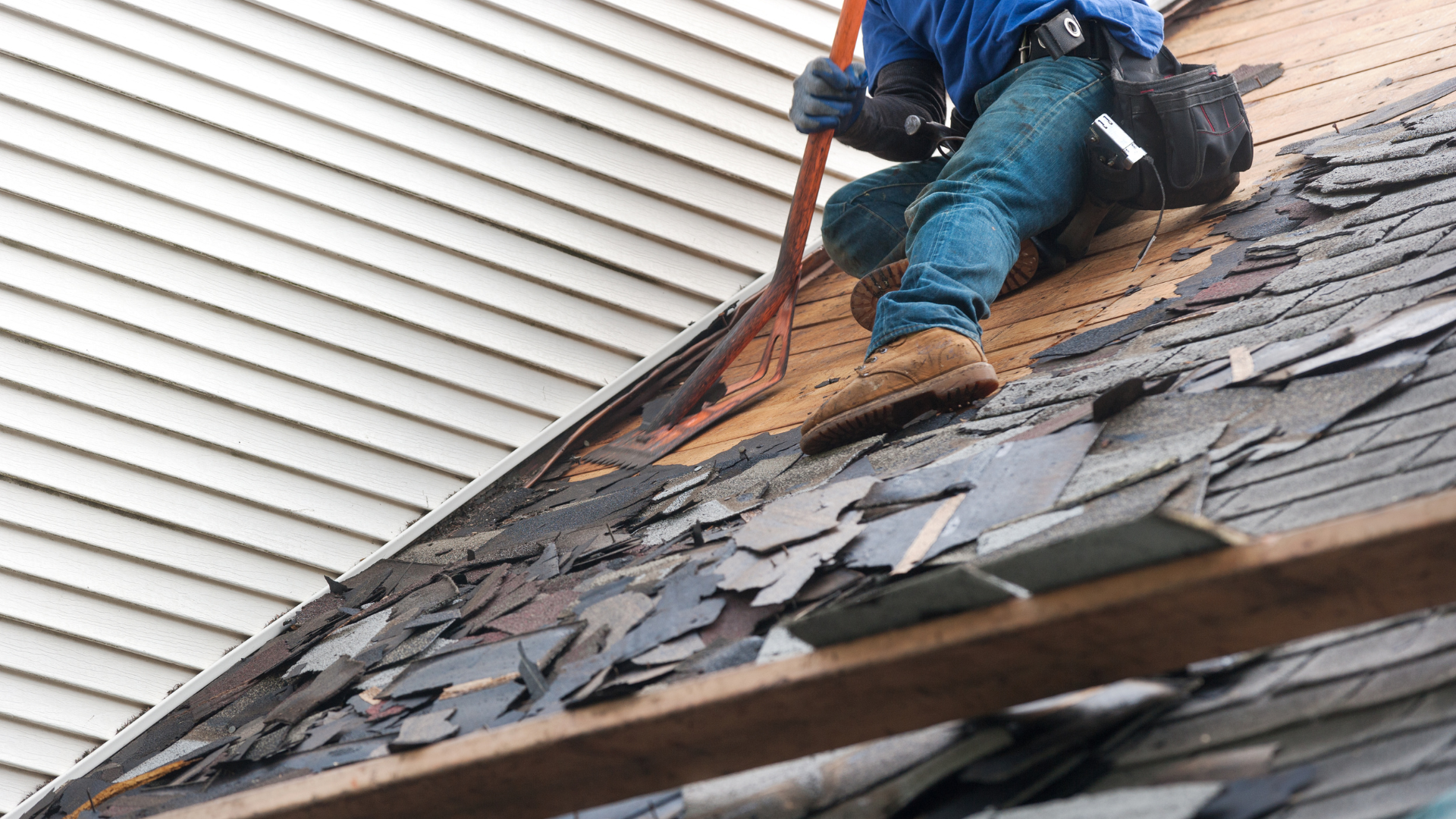
That can make repair-versus-replacement decisions more complicated than they are on a smaller residential roof.
A thorough inspection can help identify whether the issue is localized or whether the roofing system is experiencing broader deterioration.
The goal should be to understand the condition of the entire roof before committing to a major project.
Commercial Roofing Needs a Structured Maintenance Plan
Commercial roof maintenance works best when it is treated as an ongoing management responsibility rather than a reaction to leaks.
Salt Light Roofing provides commercial roofing, roof inspections, storm assessments, roof certification reports, and roofing solutions throughout the Tampa Bay area.
Owner Nathan Caraway brings more than 13 years of roofing experience and emphasizes direct accountability, clear communication, and careful project oversight.
If your commercial property does not have a consistent roof inspection and maintenance plan, contact Salt Light Roofing to schedule an evaluation. A structured approach can help property owners identify problems earlier, document roof condition, and make better-informed repair or replacement decisions.