What Makes a Roof Replacement Quote Clear and Complete?
September 24, 2026

A roof replacement quote should do more than provide a bottom-line number.

For homeowners, it should explain what is being replaced, which materials are included, how the project will be managed, what happens if hidden damage is discovered, and what kind of warranty support is available after installation.


A vague estimate can make two roofing proposals look similar even when the actual scope is very different. A clear quote makes it easier to compare value, understand expectations, and reduce surprises once work begins.


The Scope of Work Should Be Specific

A complete quote should explain exactly what the contractor plans to do.


That may include removal of the existing roofing, installation of underlayment, flashing work, replacement of damaged components, ventilation improvements, cleanup, and disposal.


The more specific the scope, the easier it is to understand what is included in the price.


Broad phrases such as “complete roof replacement” can leave too much open to interpretation if the details are not documented.
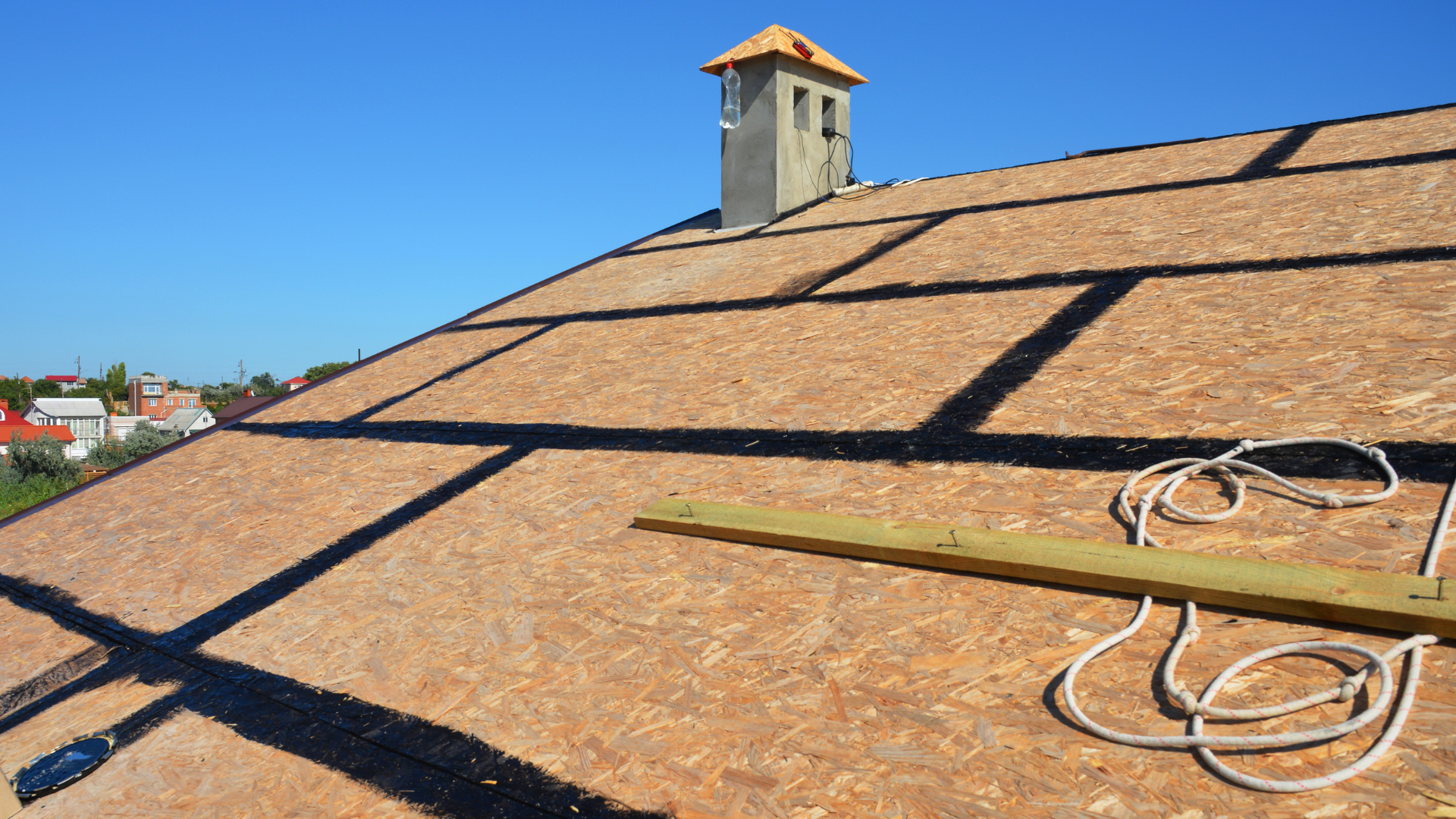
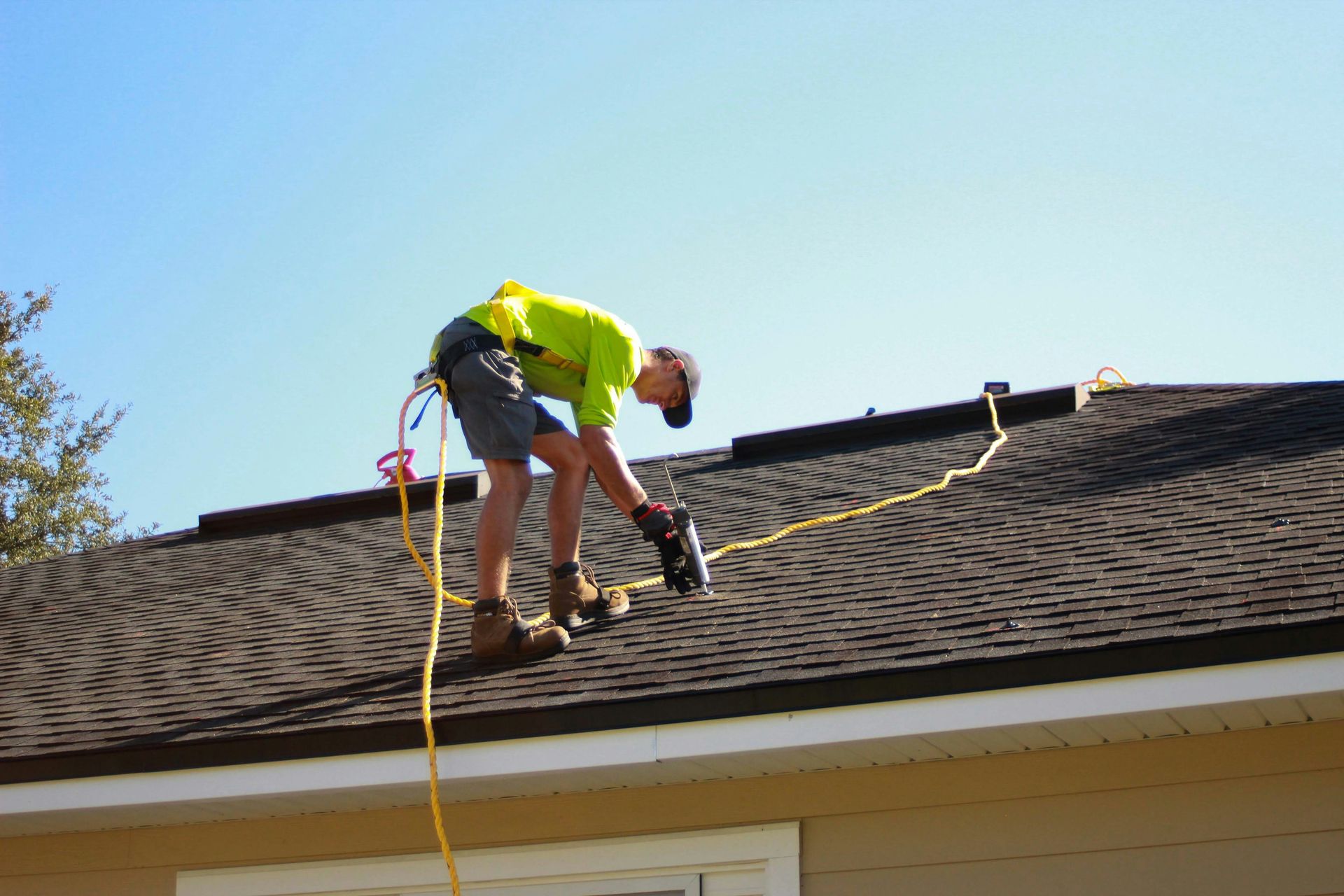
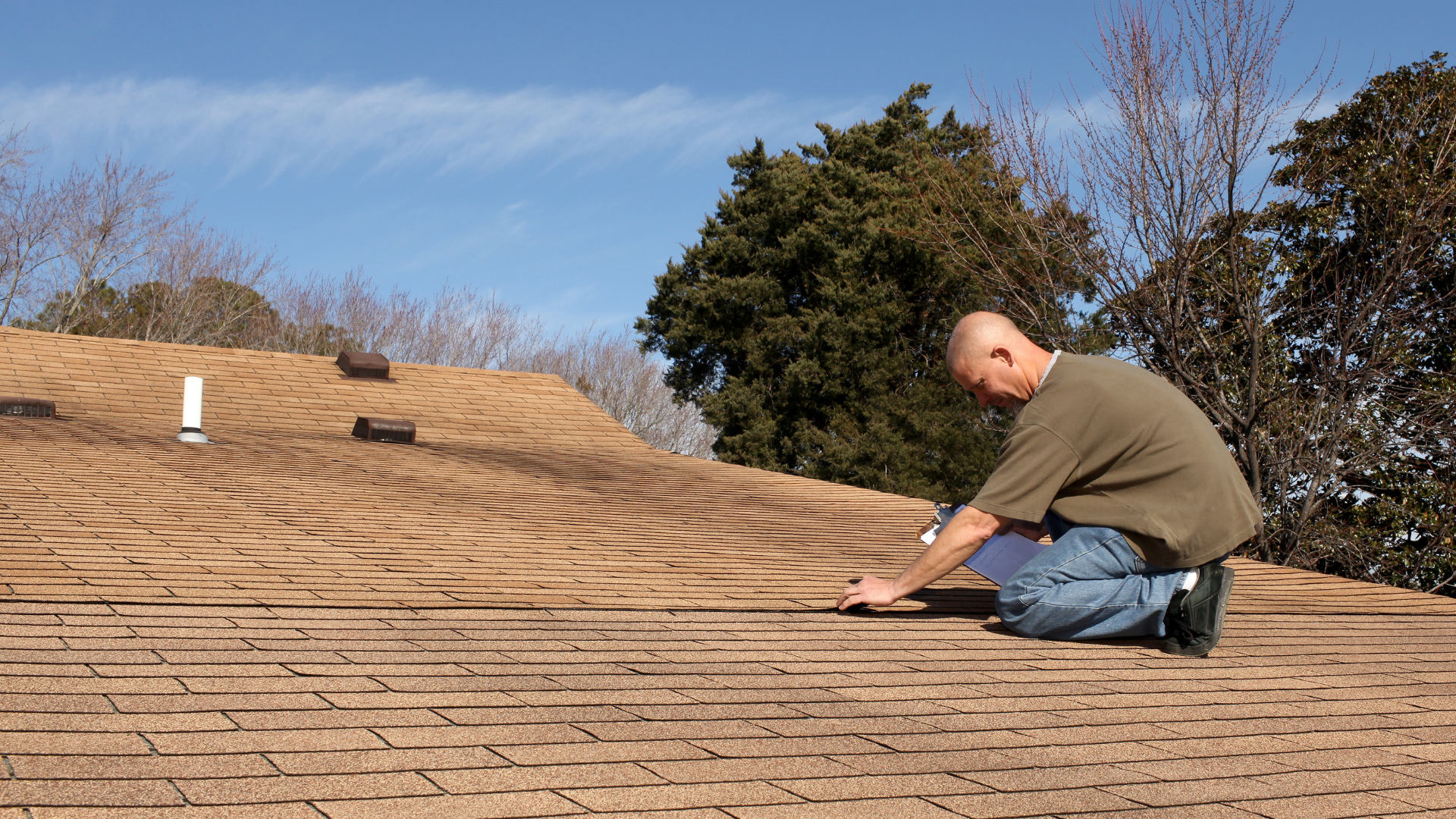
Roof under construction with brown shingles, wooden boards, and coiled rope against a blue sky

Materials Should Be Clearly Identified

The quote should also identify the roofing materials being proposed.


That includes the shingle or roofing system, underlayment, flashing materials, ventilation products, and other major components.


Brand, product line, color selections, and warranty-related requirements may also be relevant.

Knowing exactly what is being installed helps homeowners compare quotes fairly rather than assuming all roofing systems are equivalent.


Decking Should Be Addressed Up Front

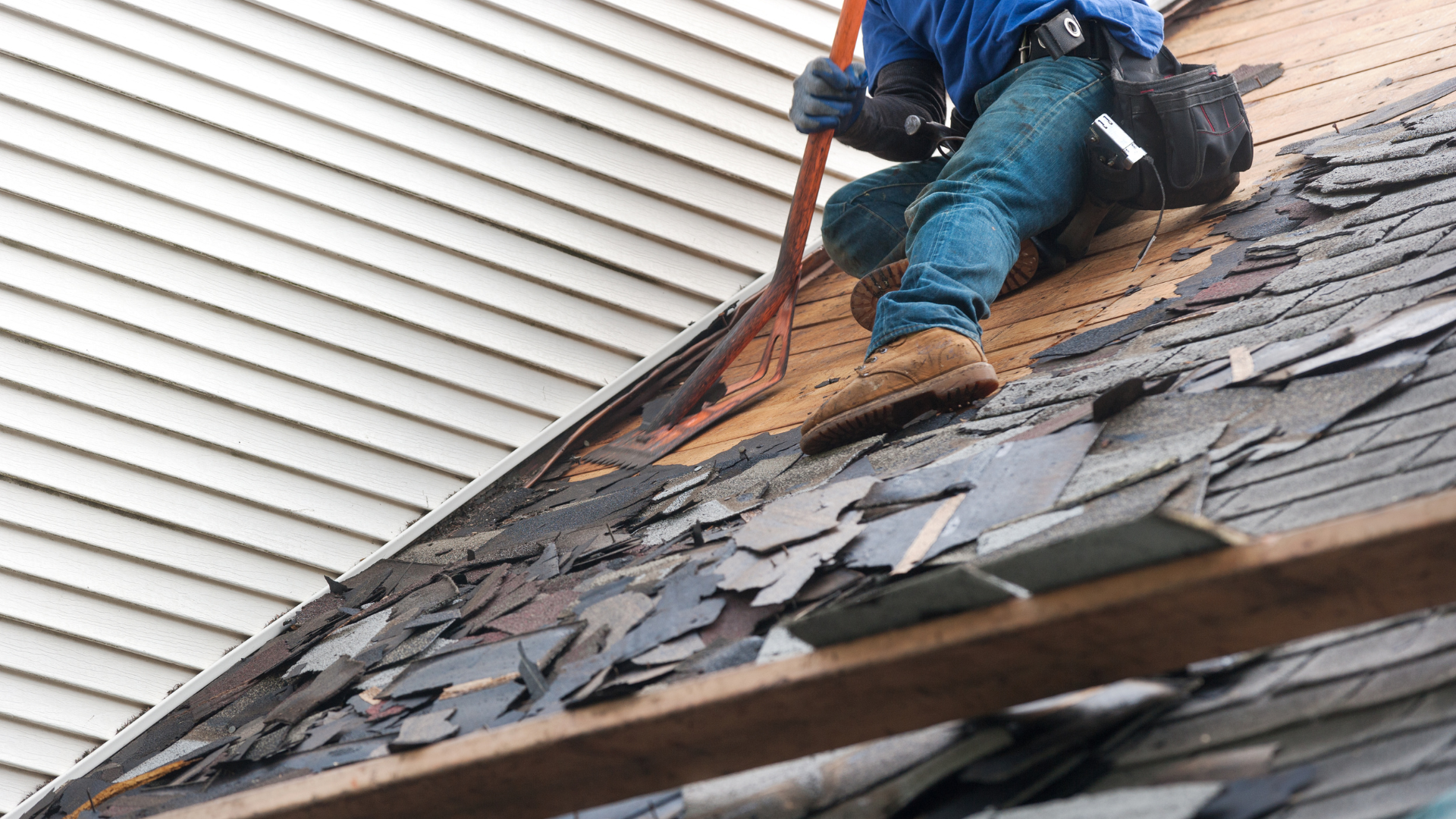
One of the biggest uncertainties in a roof replacement is the condition of the roof decking beneath the existing materials.


Some damage may not become visible until the old roof is removed.


A clear quote should explain how damaged decking will be handled and how additional work will be priced if replacement becomes necessary.


That does not mean every issue can be predicted in advance, but homeowners should understand the process before the project begins.
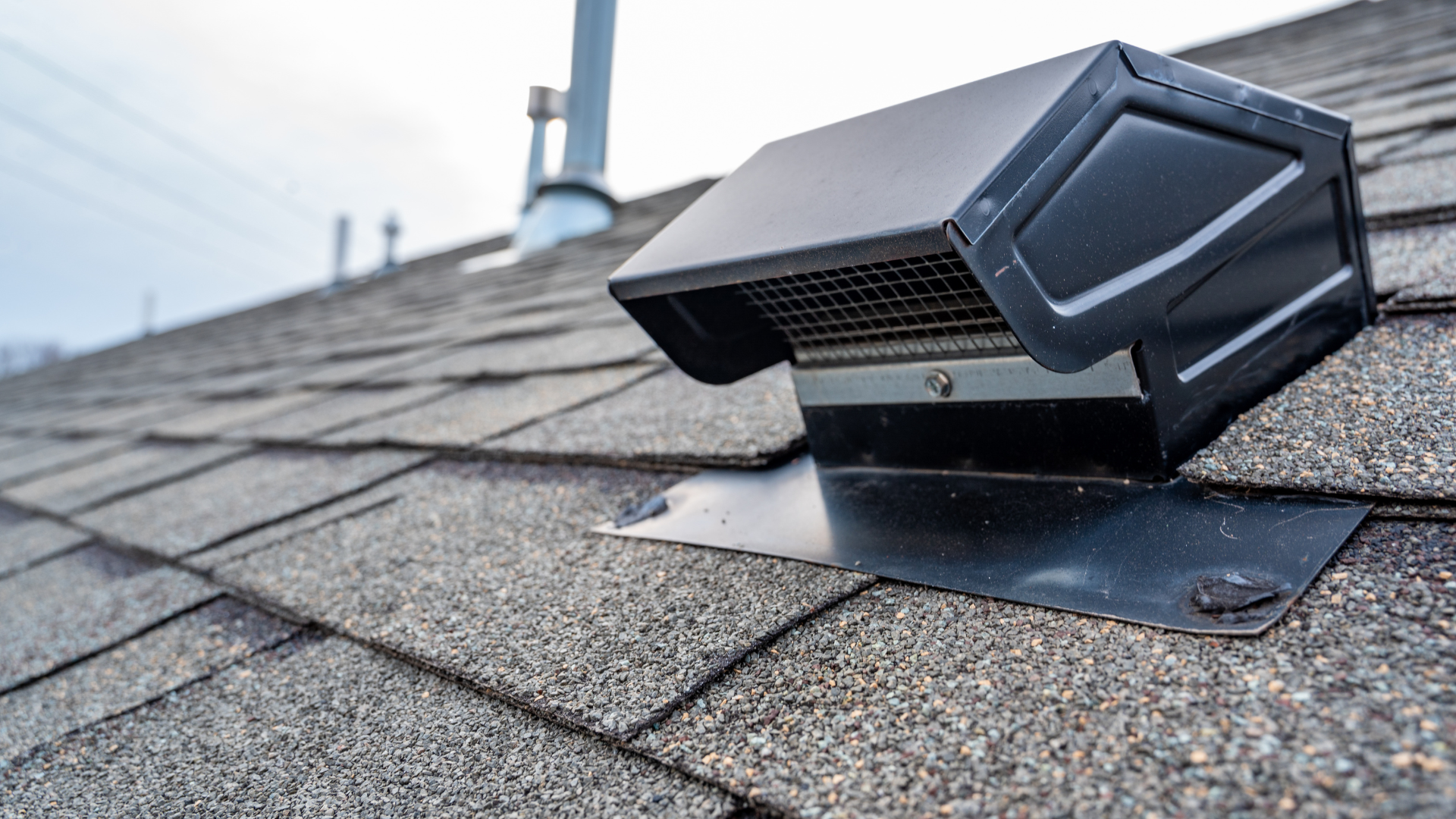
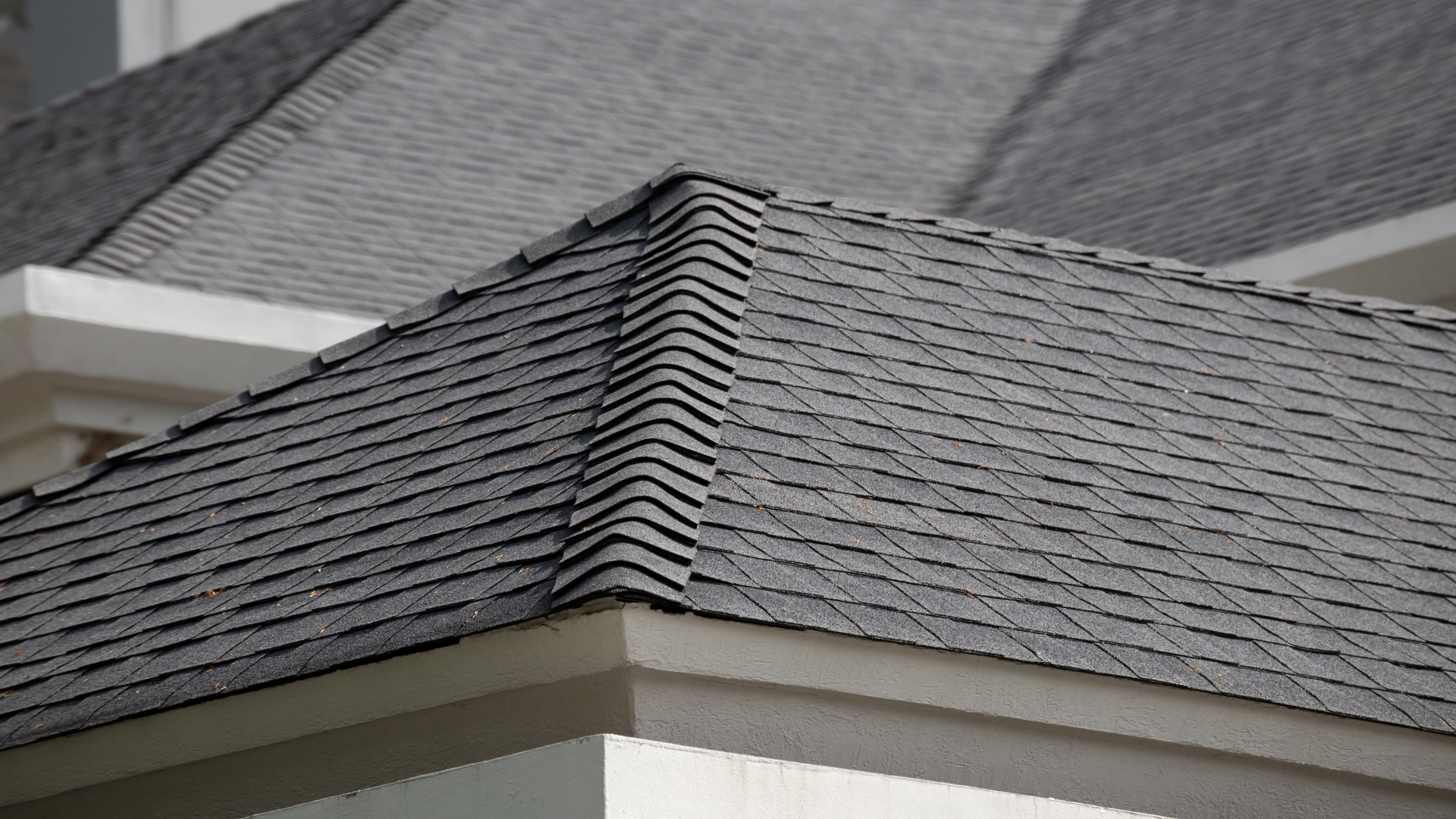
Roof-mounted ventilation fan on gray shingle shingles with a black vent hood and flashing

Flashing and Ventilation Should Not Be Left Vague

Roof performance depends on more than shingles.


Flashing around walls, vents, valleys, and roof penetrations helps manage water, while proper ventilation can affect attic heat and moisture.


These areas deserve specific attention in the quote.


If ventilation upgrades are recommended, the proposal should explain what will be changed and why.


The same applies to flashing. Simply reusing old materials without evaluating their condition may not always be the best approach.


Cleanup and Property Protection Matter

Roof replacement creates debris, nails, packaging, and old roofing materials.


The quote should explain how the contractor plans to protect landscaping, driveways, siding, and surrounding areas during the project.


Cleanup procedures should also be clear.


That may include removal of debris, magnetic nail cleanup, and a final walkthrough.


These details help define what “finished” actually means.

Two people working at a table with laptops, papers, and coffee cups in a bright office.

Payment Terms Should Be Easy to Understand

A professional quote should clearly explain deposit requirements, payment timing, financing options if available, and when final payment is due.


Homeowners should not have to guess when money will be collected or what conditions trigger additional charges.


Transparent payment terms make it easier to plan the project financially.


Warranty Information Should Be Included

Roofing warranties can involve both manufacturer coverage and workmanship support.


A clear proposal should explain what applies, what is covered, and what homeowners should expect after installation.


This is also a good time to ask what happens if an issue develops after the project is complete.


Warranty support is part of the overall roofing experience, not an afterthought.
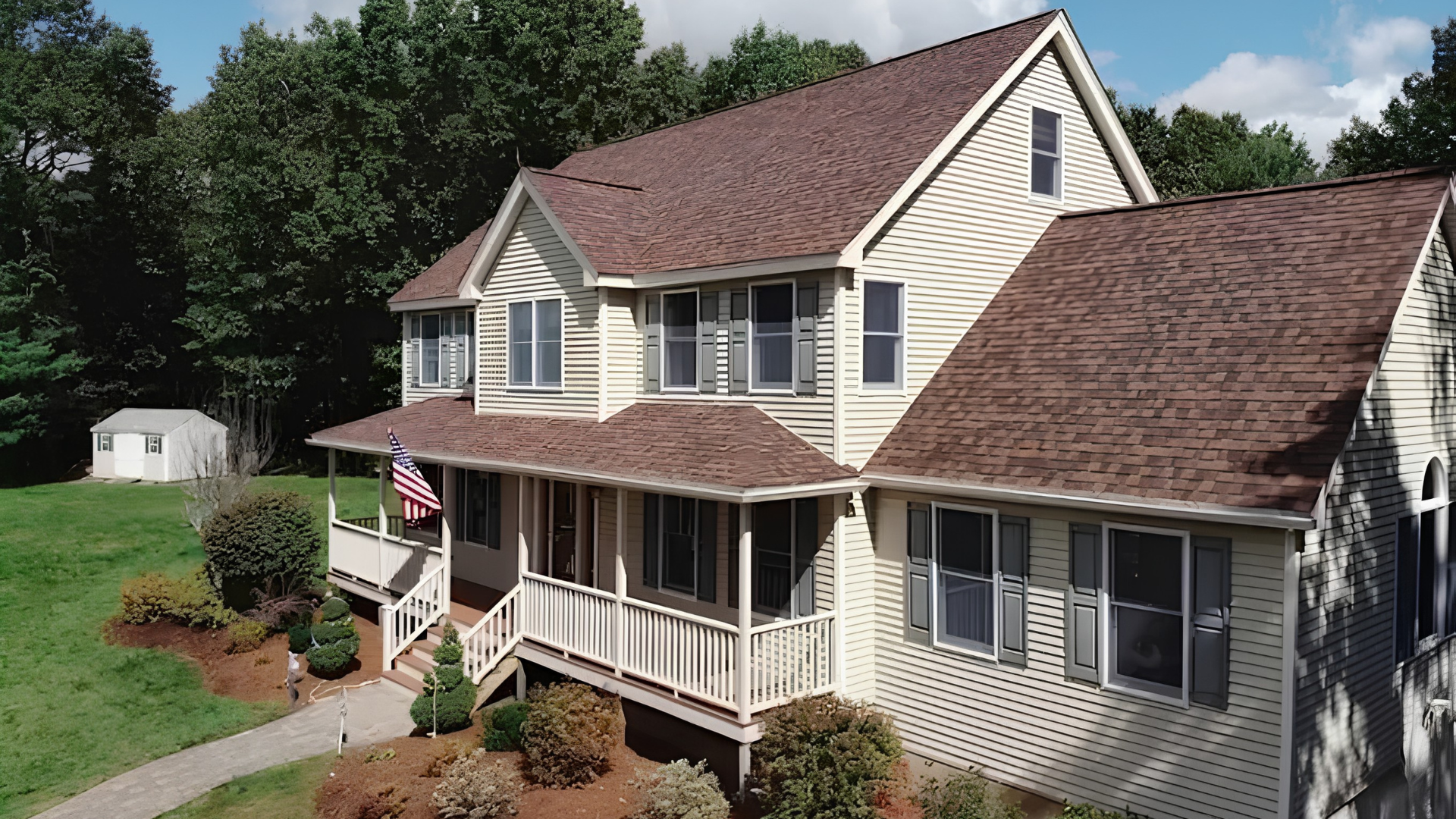
Two-story beige house with brown roof and covered porch, surrounded by trees and lawn

A Written Plan Creates Better Expectations

Salt Light Roofing emphasizes a concierge roofing process built around a free inspection, written project plan and quote, owner-supervised installation, quality assurance walkthrough, and warranty support.


Owner Nathan Caraway brings more than 13 years of roofing experience and focuses on direct accountability rather than a commission-driven sales process.


The goal is to make the scope, cost, materials, supervision, and next steps clear before work begins.


Compare More Than the Bottom Line

A good roof replacement quote should help homeowners understand exactly what they are buying.


If two estimates differ significantly in price, compare the scope, materials, decking terms, ventilation, flashing, cleanup, supervision, and warranties before making a decision.


Salt Light Roofing serves homeowners throughout Pinellas, Pasco, Hillsborough, and Manatee counties with a direct-to-consumer approach centered on Truth, Accountability, Value, and Peace of Mind.


If you are planning a roof replacement, contact Salt Light Roofing for a free inspection and written project plan designed to make the process easier to understand from the beginning.
October 23, 2026
Most homeowners think about the roof when there is an obvious problem. A leak appears. Shingles are missing. A storm passes through. Water stains show up inside. But a roof inspection can be useful before any of those things happen. In Tampa Bay, roofs deal with heat, heavy rain, wind, humidity, and seasonal storms. Even when everything looks normal from the ground, small issues can begin developing in places homeowners cannot easily see. A free roof inspection gives you a clearer picture of the roof's condition before a minor concern becomes an emergency. Problems Often Start Small Roofing issues do not always announce themselves. A piece of flashing may begin to loosen. Sealant may deteriorate around a penetration. A section of shingles may be lifting slightly. Water may be entering in a place that has not yet created an interior stain. These problems can remain unnoticed for a while. By the time damage becomes visible inside the home, moisture may already have affected decking, insulation, or other materials. That is why early inspection matters.
October 19, 2026
Roof replacement day can feel dramatic. Once the old roofing materials start coming off, the project moves quickly, and homeowners may suddenly see decking, flashing, underlayment , and structural details that have been hidden for years. That is why the tear-off stage should not feel like a surprise. A well-managed roofing project explains what to expect before work begins, what may be discovered once the old roof is removed, and how any changes to the original scope will be handled. Tear-Off Reveals the Real Condition of the Roof From the ground, a roof can only tell you so much. Shingles may look worn, cracked, or missing, but the condition of the decking underneath is not always fully visible until the old materials are removed. Once the tear-off begins, contractors can inspect the roof deck for soft spots, rot, water damage, or other deterioration. That inspection is important because new roofing materials need a sound surface beneath them. Covering damaged decking with a new roof does not solve the underlying problem.
October 12, 2026
A roof replacement involves dozens of decisions, from materials and ventilation to flashing, decking, cleanup, and final inspection. When too many people are involved without clear accountability, small details can be missed and communication can break down. That is one reason owner-supervised installation can make such a difference.  At Salt Light Roofing, owner Nathan Caraway brings more than 13 years of roofing experience directly into the project. Instead of handing the job off after the contract is signed, the process is designed around personal oversight, clear expectations, and accountability from beginning to end.
October 1, 2026
When homeowners ask how much life a roof has left, the first number that usually comes up is age. Age matters, but it does not tell the whole story. Two roofs installed in the same year can be in very different condition depending on materials, installation quality, ventilation, storm exposure, maintenance, and the amount of sun and heat they have endured. For homeowners in Tampa Bay , where roofs face intense sunlight, heavy rain, high humidity, and severe weather, remaining service life should be based on condition rather than age alone. Age Is a Starting Point, Not a Final Answer Every roofing material has an expected service range , but that range is not a guarantee. A roof can deteriorate faster than expected if it has experienced repeated wind events, poor drainage, improper ventilation, or installation problems. Another roof of the same age may still be performing well because it was installed correctly and has remained relatively well protected. That is why age should be treated as one factor in a broader evaluation.
September 22, 2026
Commercial and residential roofs both protect the buildings beneath them, but the way they are maintained can be very different. Commercial properties often have larger roof areas, lower slopes, more penetrations, more drainage components, and equipment mounted directly on the roof. That means maintenance has to account for conditions that are less common in a typical home. For property owners and facility managers in the Tampa Bay area , understanding those differences can help make roof maintenance more organized and proactive. Commercial Roofs Often Have More Penetrations A commercial roof may contain HVAC equipment, exhaust vents, plumbing penetrations, electrical components, skylights, and other rooftop systems. Each penetration creates an area where flashing, sealants, curbs, or other roofing details need to remain intact. These locations can become vulnerable as materials age or as equipment is serviced. That is why commercial roof inspections should look closely at the areas around mechanical equipment and penetrations rather than focusing only on the open field of the roof.
September 12, 2026
A roof certification report is a professional evaluation of a roof’s condition that documents whether the roofing system appears serviceable at the time of inspection. In Florida, these reports may be requested during a home sale, insurance review, refinancing process, or other situation where a third party wants clearer information about the age and condition of the roof.  A certification is not the same thing as a warranty, and it does not guarantee that a roof will never leak. Its purpose is to provide a documented assessment based on the roof’s visible condition and the information available during the inspection.
September 2, 2026
Ta mpa Bay thunderstorms can bring heavy rain, powerful wind gusts, flying debris, and sudden chan Ta ges in weather conditions. Even when a roof looks intact from the ground, a strong storm can loosen roofing materials, damage flashing, or create openings that allow water to enter later. Homeowners in Pinellas, Pasco, Hillsborough, and Manatee counties should know what to look for once conditions are safe. A quick visual check can help identify signs that a professional roof inspection may be warranted. Look for Missing or Displaced Roofing Materials One of the most visible signs of storm damage is missing roofing material. High winds can lift, shift, crease, or remove shingles. On other roofing systems, panels, tiles, ridge components, or other materials may also become displaced. Even a small affected area deserves attention. Once part of the roof system has been compromised, wind-driven rain may have an easier path beneath the exterior surface.  Homeowners should perform this check from the ground whenever possible rather than climbing onto a wet or potentially damaged roof.
August 28, 2026
A roof is designed to shed water away from the home, but when moisture gets beneath the visible roofing material, the problem can become more serious than a simple surface leak. Water may reach the underlayment, roof decking, insulation, attic, or interior finishes before the homeowner realizes anything is wrong. In Tampa Bay, where heavy rain, wind-driven storms, and hurricane conditions are common, even a small weakness in the roofing system can allow water to travel beneath shingles or other roofing materials. How Water Gets Under a Roof Water intrusion can begin in several ways. Damaged or missing shingles, deteriorated flashing, failed sealants, exposed fasteners, improperly installed roof penetrations, or storm damage can all create openings. Wind-driven rain can also push water into areas that normally remain protected during lighter weather. Roof valleys, chimneys, vents, skylights, and wall-to-roof transitions are especially important because they rely on careful flashing and drainage details. A roof does not necessarily need to have a large visible hole for water to get underneath the surface.
August 21, 2026
A roofing system does more than keep rain from entering the house. It also has to move large amounts of water away from vulnerable areas quickly and efficiently. During a heavy Florida downpour , the roof and gutter system work together to control that water from the moment it hits the shingles until it is directed away from the home. When either part of that system is damaged, poorly installed, or overwhelmed, water can begin collecting where it should not. Salt Light Roofing helps Tampa Bay homeowners evaluate the entire roofing system, including drainage details that can affect long-term performance. The Roof Directs Water Toward the Gutters A sloped roof is designed to shed water. Shingles, underlayment, flashing, valleys, and other components help guide rain downward toward the roof edge. From there, gutters collect runoff and move it toward downspouts. During light rain, this process may seem simple. Florida thunderstorms can be very different. Heavy rainfall can send a large volume of water across the roof in a short period, making proper drainage especially important.  If water cannot leave the roof efficiently, small weaknesses can become much more noticeable.
August 12, 2026
Hiring a roofing contractor is a major decision because the quality of the work can affect your home for years. A roof replacement involves materials, installation practices, ventilation, flashing, cleanup, warranties, and project supervision. The estimate matters, but it should not be the only factor homeowners consider. Salt Light Roofing serves homeowners throughout the Tampa Bay area with an owner-operated, direct-to-consumer approach designed around clear communication and direct accountability. Before choosing any roofing company, asking the right questions can help you understand exactly what you are paying for and who will be responsible for the work. Are You Licensed and Insured? This should be one of the first questions . A professional roofing contractor should be able to explain the licensing and insurance coverage applicable to the project. Homeowners should verify credentials rather than relying only on advertisements, yard signs, or sales materials.  Insurance is equally important because roofing involves ladders, heavy materials, tools, and crews working at height. Knowing that the contractor carries appropriate coverage helps establish that the company is operating professionally.