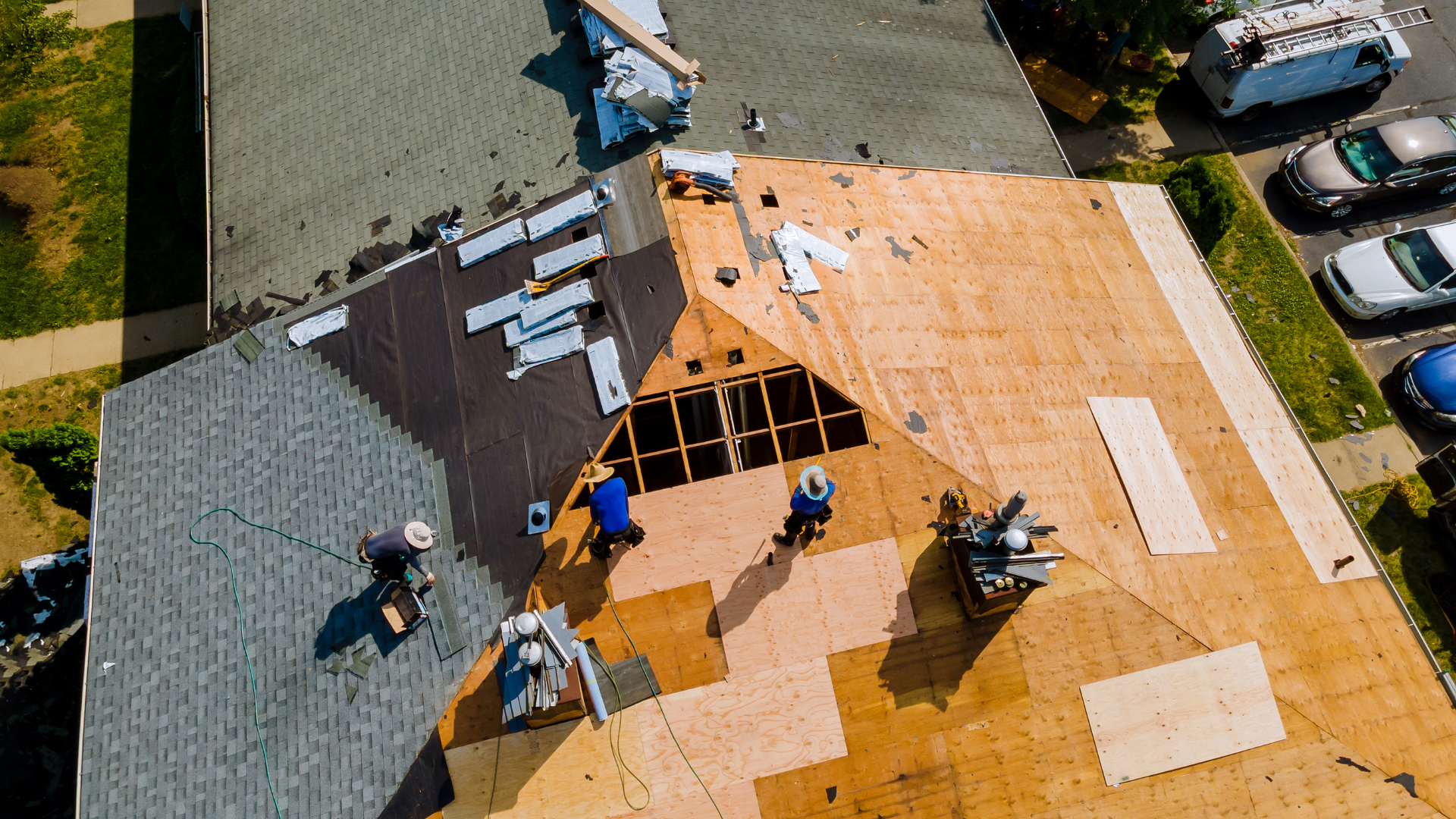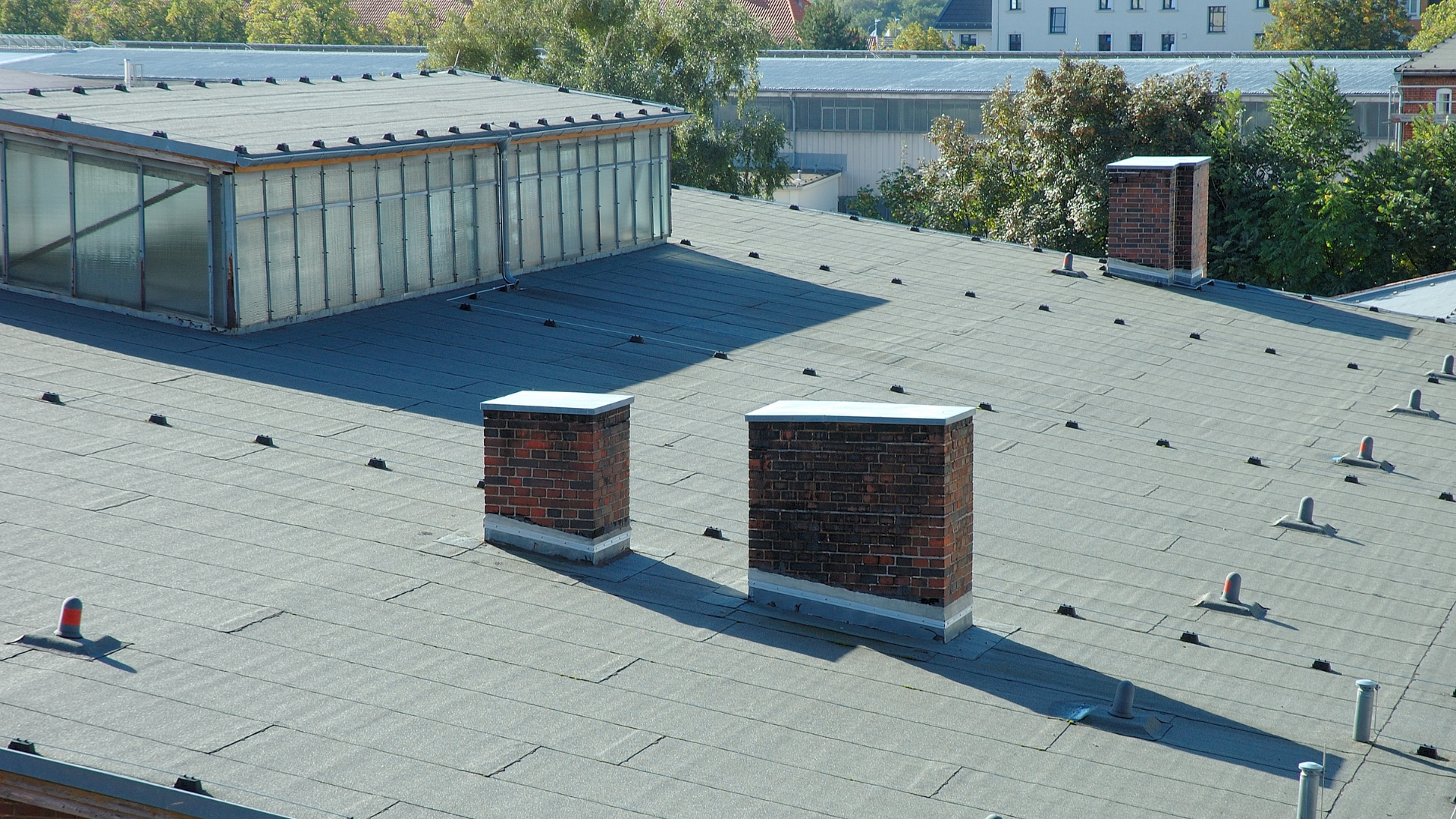
When a major storm is approaching, most homeowners focus on shutters, outdoor furniture, vehicles, and emergency supplies.
The roof usually gets attention only after the weather passes.
But photographs taken before and after a storm can give homeowners something valuable: a visual record of the property's condition.
That does not replace a professional inspection, and it does not automatically prove the cause of damage.
It does, however, create useful documentation that can help homeowners compare conditions and communicate more clearly if repairs or an insurance claim become necessary.
Start With the Roof From the Ground
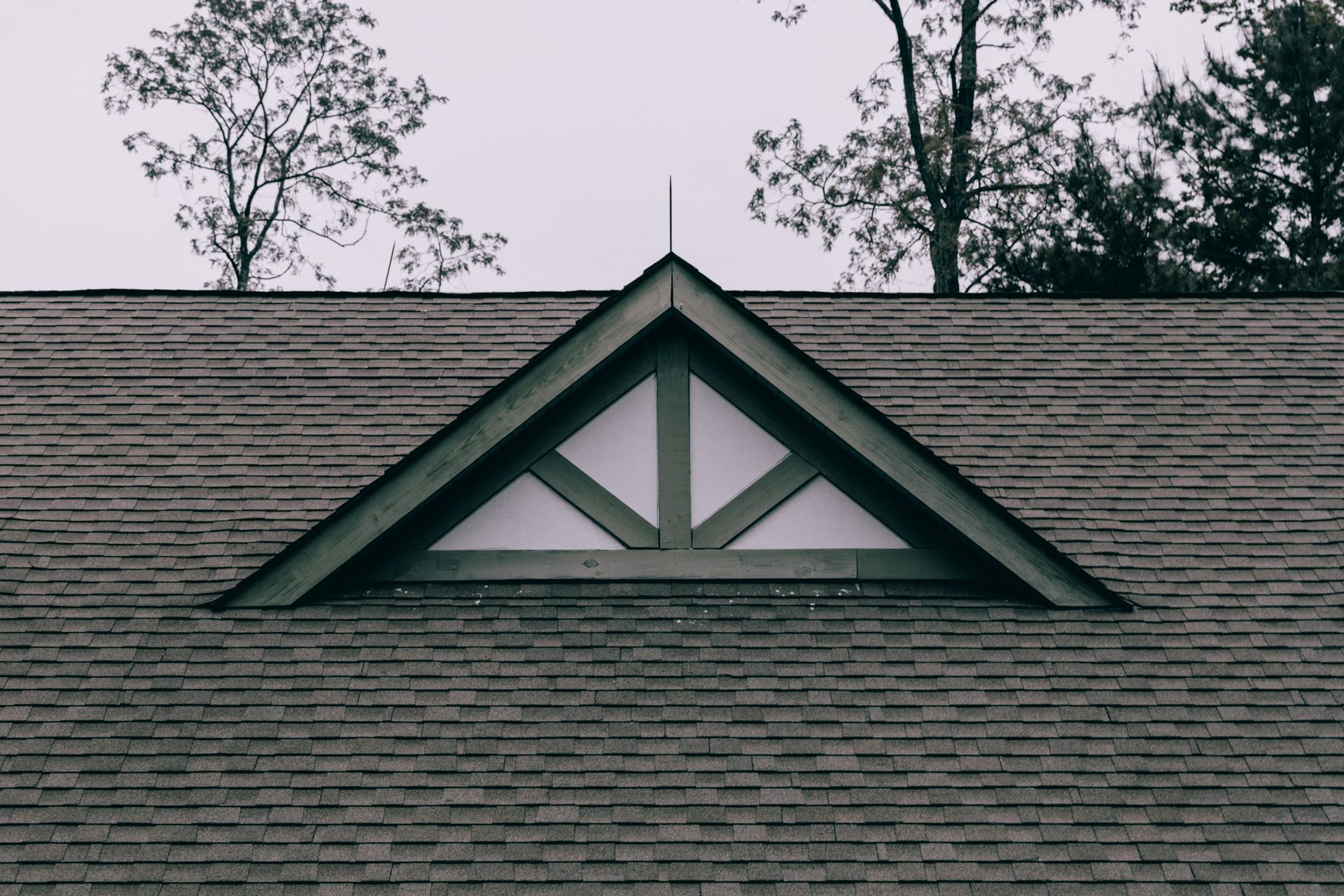
Before a storm, take clear photographs of the roof from several safe ground-level angles.
Capture each visible roof slope if possible.
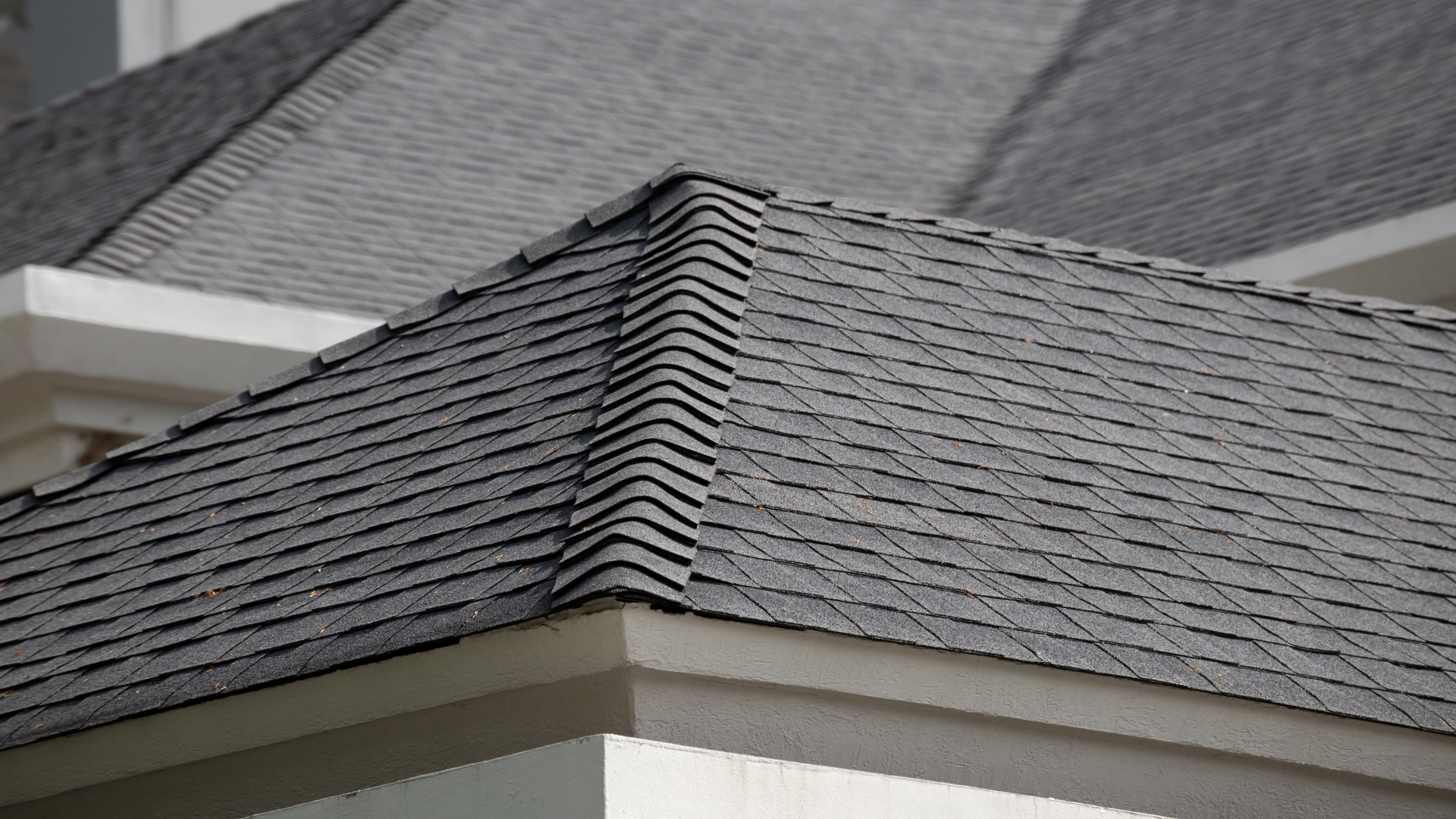
You are looking to document the overall condition, including visible shingles, roof edges, ridgelines, vents, flashing areas, and anything else that can be seen without climbing.
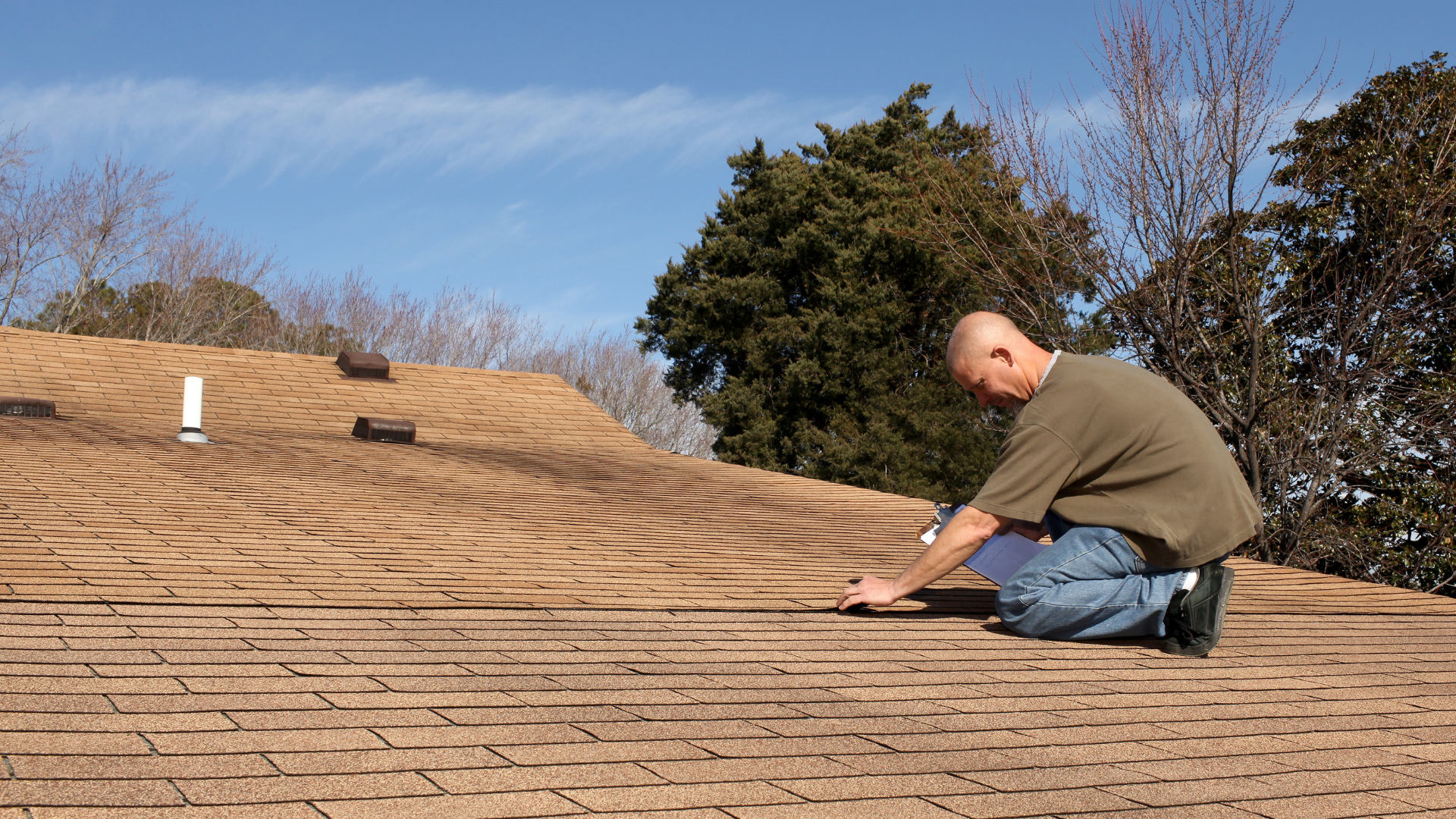
Do not put yourself at risk by walking on the roof.
Ground-level photos can still establish a useful baseline.
If certain
shingles already appear worn, lifted, or discolored, include those areas as well. Accurate documentation is more useful than trying to make the roof look perfect.
Photograph Gutters, Fascia, and Roof Edges
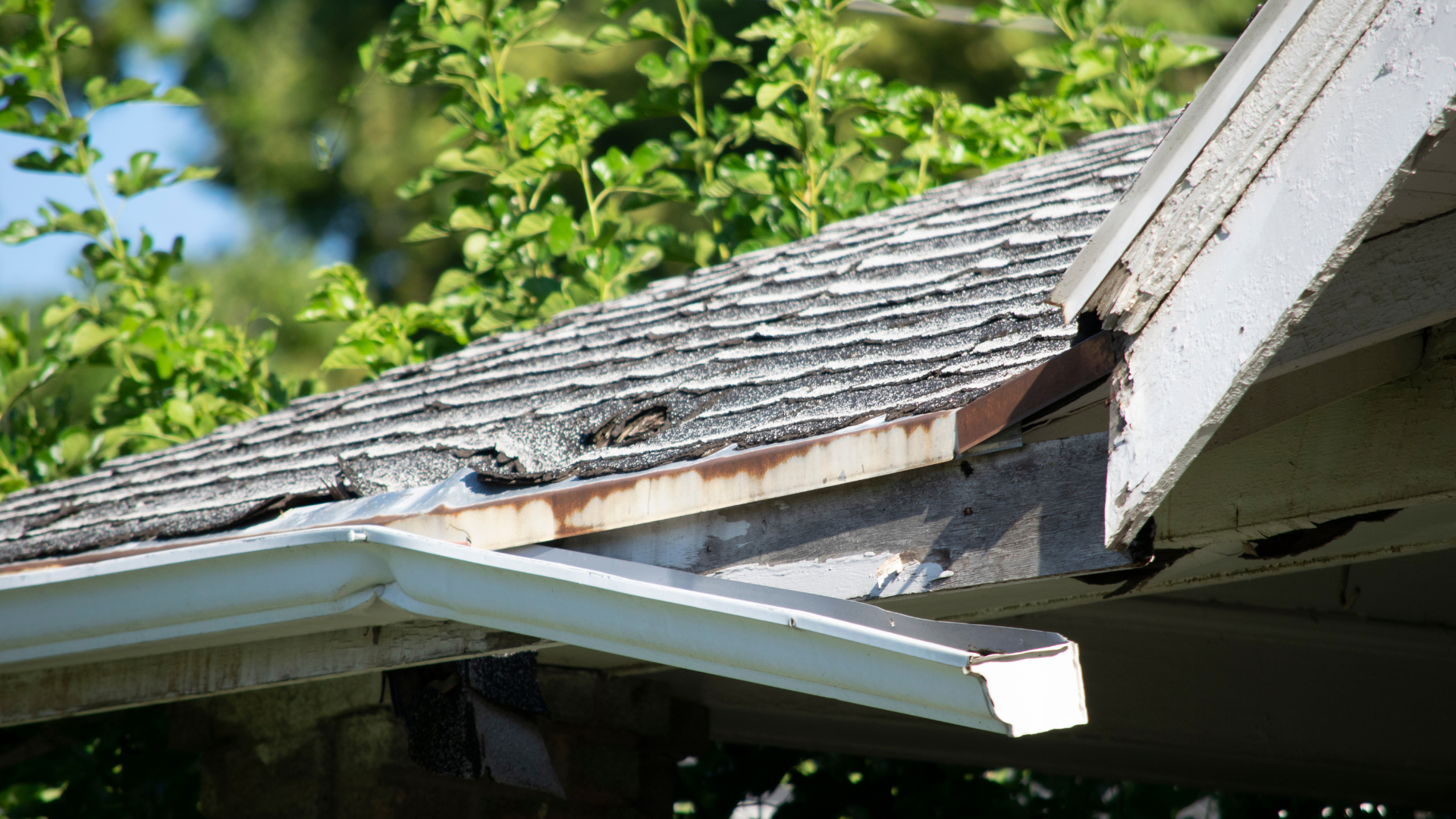
Storm damage does not affect shingles alone.
High winds and flying debris can affect gutters, fascia, soffits, drip edges, and other exterior components.
Photograph those areas before the storm if they are visible.
Afterward, compare them for changes such as displaced gutters, damaged fascia, loose materials, or debris impacts.
Roof edges deserve particular attention because wind forces can affect exposed perimeter areas differently from the center of the roof.
Include the Attic When It Is Safe
If your attic is accessible and safe to enter, a few photographs can document its pre-storm condition.
Look for the underside of the roof deck, visible rafters, insulation, and any areas where previous staining is already present.
That can help distinguish old conditions from new ones later.
After a storm, new moisture staining, damp insulation, or active dripping may indicate that water has entered somewhere above.
If you suspect
electrical hazards, structural damage, or significant water intrusion, stay out and call a professional.
Take Wide Shots and Close-Ups
Good documentation needs context.
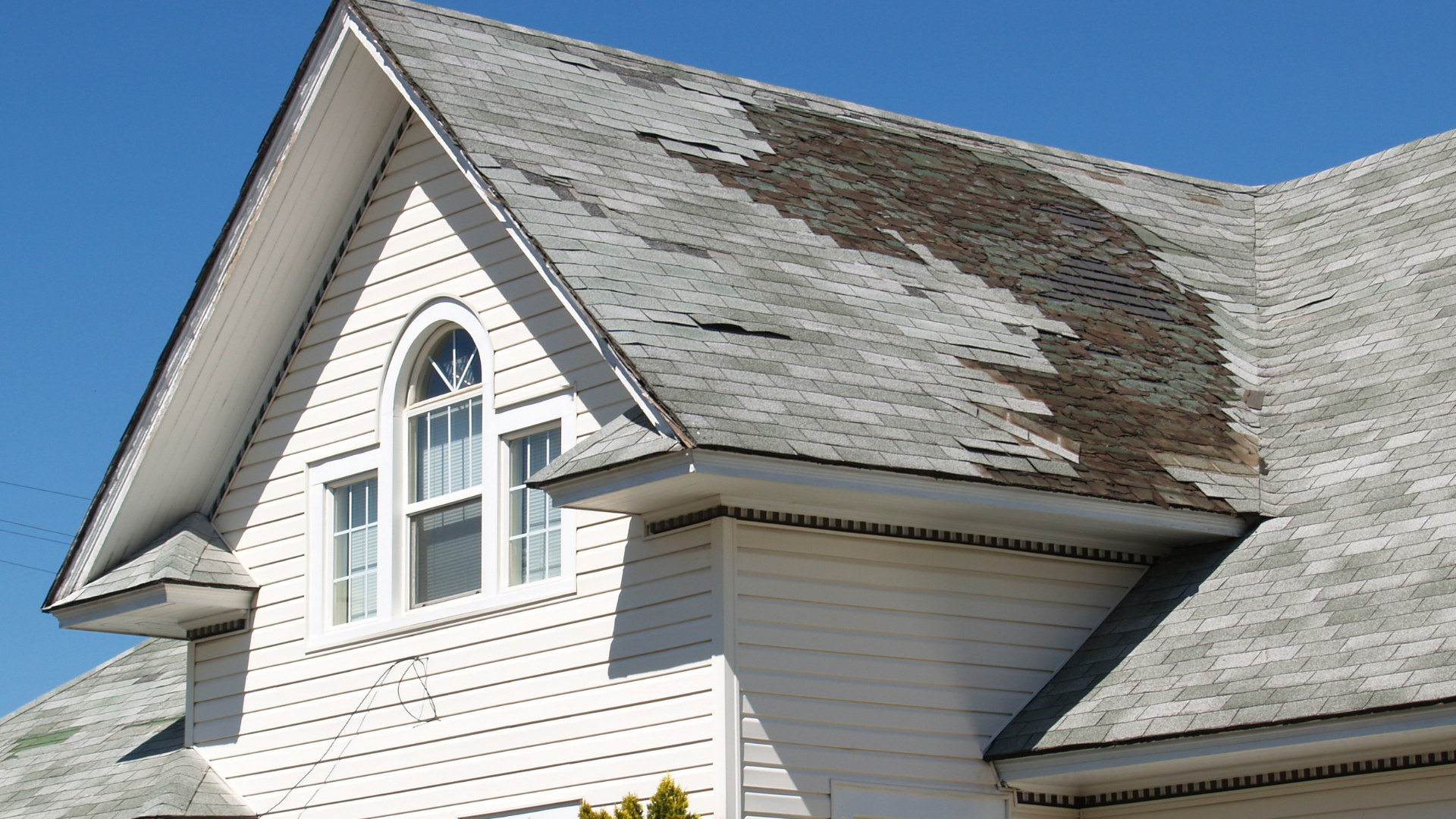
A close-up of damaged shingles is useful, but a wider photograph showing where those shingles are located on the roof can be just as important.
The same applies to fallen branches, damaged gutters, siding impacts, or debris.
Take both perspectives.
Wide images show location.
Close-ups show detail.
Together, they create a clearer record of what changed.
Photograph the Property Immediately After the Storm
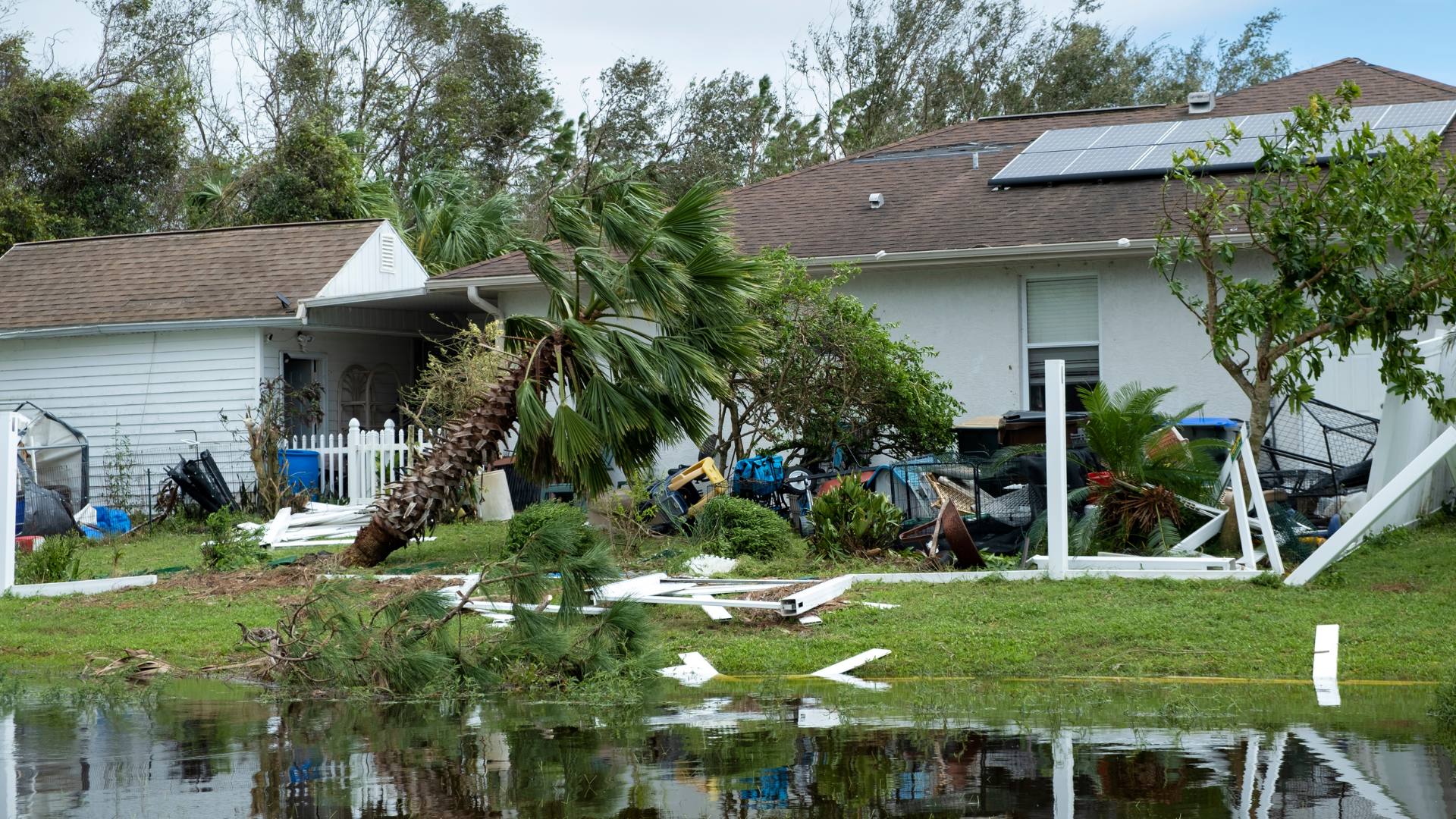
Once conditions are safe, document the exterior before cleanup begins.
Take photographs of fallen branches, displaced materials, debris, damaged fencing, gutters, roof edges, and anything else that looks different.
If you find roofing material on the ground, photograph it where it landed before moving it.
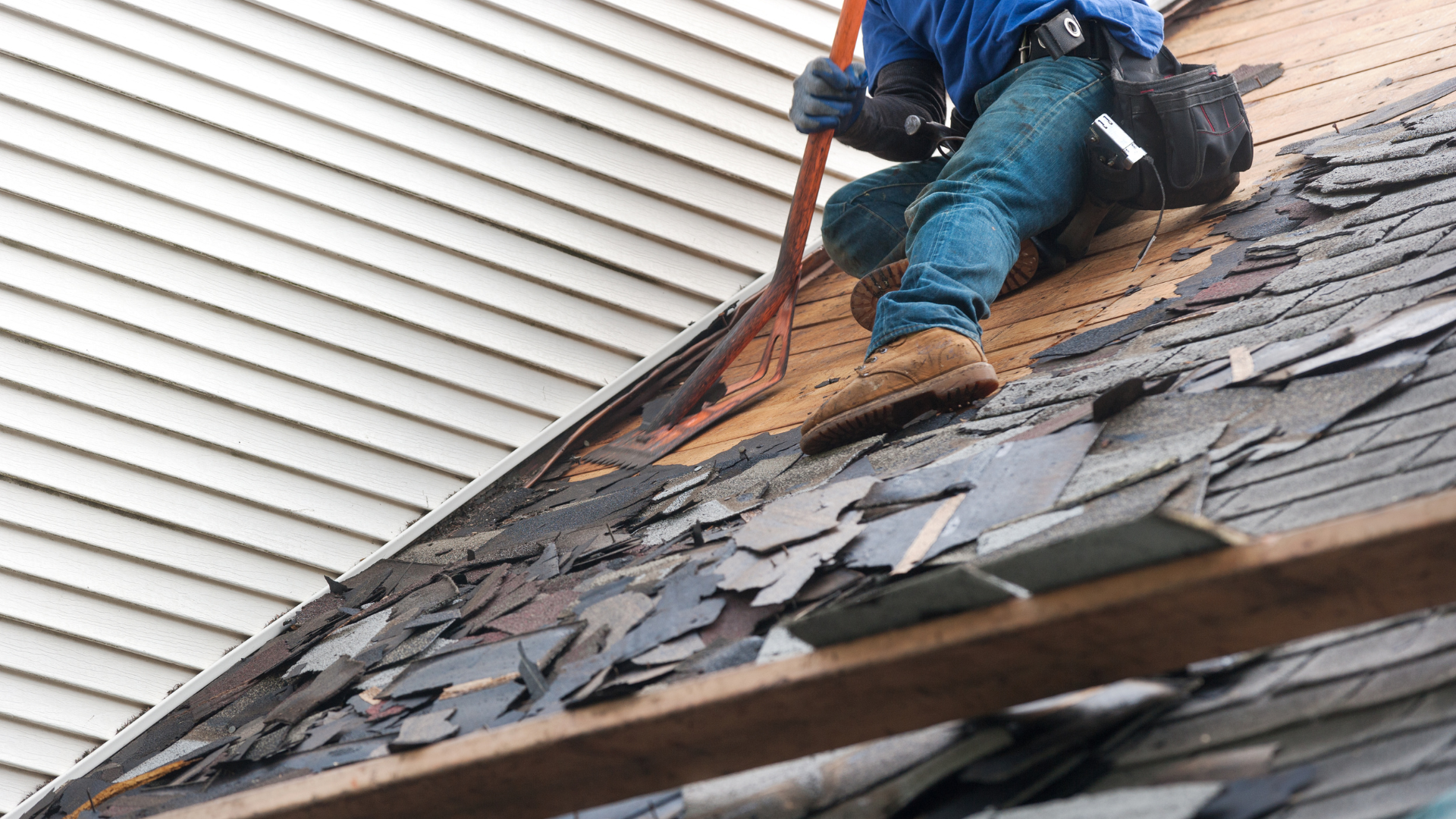
Do not climb onto a wet or damaged roof to get better pictures.
A professional storm assessment can handle the areas that are not safely visible.

Keep Dates and Files Organized
Storm documentation becomes more useful when the files are easy to identify.
Keep the original photographs with their timestamps when possible.
Create separate folders for "before" and "after" images and note the date of the storm.
If a professional inspection follows, keep those photographs and written findings with the same records.
Salt Light Roofing can provide storm and wind assessments to help homeowners understand whether visible changes appear to be storm-related or part of normal aging and wear.
Use Photos as One Part of the Bigger Picture
Photographs are helpful, but they are not a substitute for inspection.
Some roofing problems are difficult to see from the ground, and damage around flashing, penetrations, decking, or underlayment may require closer evaluation.
That is why Salt Light Roofing's Concierge Roofing Experience begins with a free inspection and, when work is needed, continues with a written plan and quote, owner-supervised installation, quality-assurance walkthrough, and warranty support.
Document First, Then Get Answers
Tampa Bay homeowners cannot control the weather, but they can prepare better for what comes afterward.
Before the next major storm, photograph the roof and exterior while conditions are normal. After the storm, document visible changes safely and promptly.
Salt Light Roofing, led by owner Nathan Caraway, serves homeowners throughout Pinellas, Pasco, Hillsborough, and Manatee counties with a focus on Truth, Accountability, Value, and Peace of Mind.
If a storm leaves you wondering what changed, contact Salt Light Roofing for a professional assessment and a clearer understanding of the next step.